Pet Transportation
1. Transport of animals in the passenger cabin
Only dogs or cats will be transported in the passenger cabin, with a maximum of four (4) animals per flight (this amount includes pets in carriers under the carry-on baggage modality, emotional support animals, and assistance dogs). On aircraft with a capacity of 19 passengers or fewer, only two (2) animals will be allowed, under any of the following conditions:
Documents required for transport:
- Valid vaccination card.
Transport conditions:
- Only one (1) animal per passenger is allowed.
- A maximum of four (4) emotional support dogs per flight will be allowed, provided there are no service or assistance dogs on the flight. Service or assistance dogs have priority. (They must be included within the 4 animals allowed in the cabin).
- The dog may travel without a carrier.
- It must wear a clean leash or harness.
- The minimum age of pets to be transported must be four (4) months or sixteen (16) weeks.
- The animal may travel on the passenger’s lap, or in the space in front of their feet or under their seat, and must not obstruct the aisle, an emergency exit, or access to emergency or survival equipment on the aircraft, nor represent an impediment to a possible evacuation.
- Emotional support dogs of breeds classified as special-handling (potentially dangerous) will not be allowed.
- For dogs weighing between 16 and 32 kg or measuring more than 30 cm in height, 40 cm in length, and 40 cm in width, the seat next to the passenger who owns the pet will be blocked, and the animal will be placed on the cabin floor in that seat space, not on the seat. SATENA reserves the right to transport the pet depending on flight availability and capacity.
The airline reserves the right to authorize transport under this modality when safety, health, comfort, and peace of the crew and other passengers cannot be guaranteed.
Only DOGS will be accepted as service or assistance animals.
Documents required for transport:
- Valid vaccination card.
- Training certificate or credential (its validity corresponds to the dog’s lifetime).
Transport conditions:
- A maximum of four (4) service or assistance dogs will be allowed, having priority over other modalities. (They must be included within the four (4) animals allowed in the cabin).
- Only one (1) dog per passenger is allowed.
- No additional cost applies.
- The dog is not required to travel in a carrier.
- The minimum age for service or assistance dogs to be transported must be six (6) months.
- The dog must wear an official identifier (card and badge) or a document certifying that it is an assistance animal or is in training to become a guide dog.
- They must travel with vest or harness, certified collar, and leash at all times.
- The animal must remain in the space in front of the passenger’s feet or under the seat and may not obstruct the aisle, an emergency exit, or access to emergency or survival equipment on the aircraft, nor represent an impediment to a possible evacuation.
- The airline reserves the right to authorize transport under this modality when safety, health, comfort, and peace of the crew and other passengers cannot be guaranteed.
2. Transport of animals as checked baggage in the hold
In the aircraft hold, under the condition of checked baggage (pets that do not meet the dimensions to be transported in the cabin under the previously stated modalities), only dogs and cats will be transported; any other type of animal must be transported as cargo, complying with the airline’s established requirements, and the process must be carried out in the area designated by the company for cargo transport.
Documents required for transport:
- Valid vaccination card.
- Medical certificate issued and signed by a veterinarian including their professional license number, certifying that the pet is in suitable sanitary conditions to be transported and does not present fresh wounds or wounds in the healing process. This document must be issued no more than seventy-two (72) hours prior to the flight.
- Dogs classified as potentially dangerous or special-handling breeds will be accepted as checked baggage in the hold, as long as they carry a valid ownership permit (established in Chapter IV, Articles 126–133 of Law 1801 of 2016) and must wear a muzzle at all times.
- In the case of transporting pets to and from abroad, the requirements established by the Colombian Agricultural Institute (ICA) and/or the corresponding authorities in the destination country must be fulfilled.
Allowed quantity per flight:
- The total number of dogs and cats accepted as checked baggage in SATENA aircraft is three (3) per flight and is subject to availability of space and size limitations in the aircraft hold.
- Only one (1) adult dog or one (1) adult cat per passenger will be allowed, up to a maximum total weight of 40 kg (including the kennel). If this weight is exceeded, boarding will not be authorized.
- Up to a maximum of two (2) dogs or cats per passenger may be accepted in the same kennel, provided that:
- They are puppies from the same litter, not older than six (6) months of age and not exceeding 14 kg combined (including kennel weight).
- One puppy not younger than four (4) months and up to six (6) months of age traveling with its mother, as long as both are comfortable and meet the same conditions established in the previous paragraph.
Transport conditions:
The minimum age for transporting dogs or cats is four (4) months or sixteen (16) weeks of life.
- Pregnant female dogs or cats will not be accepted.
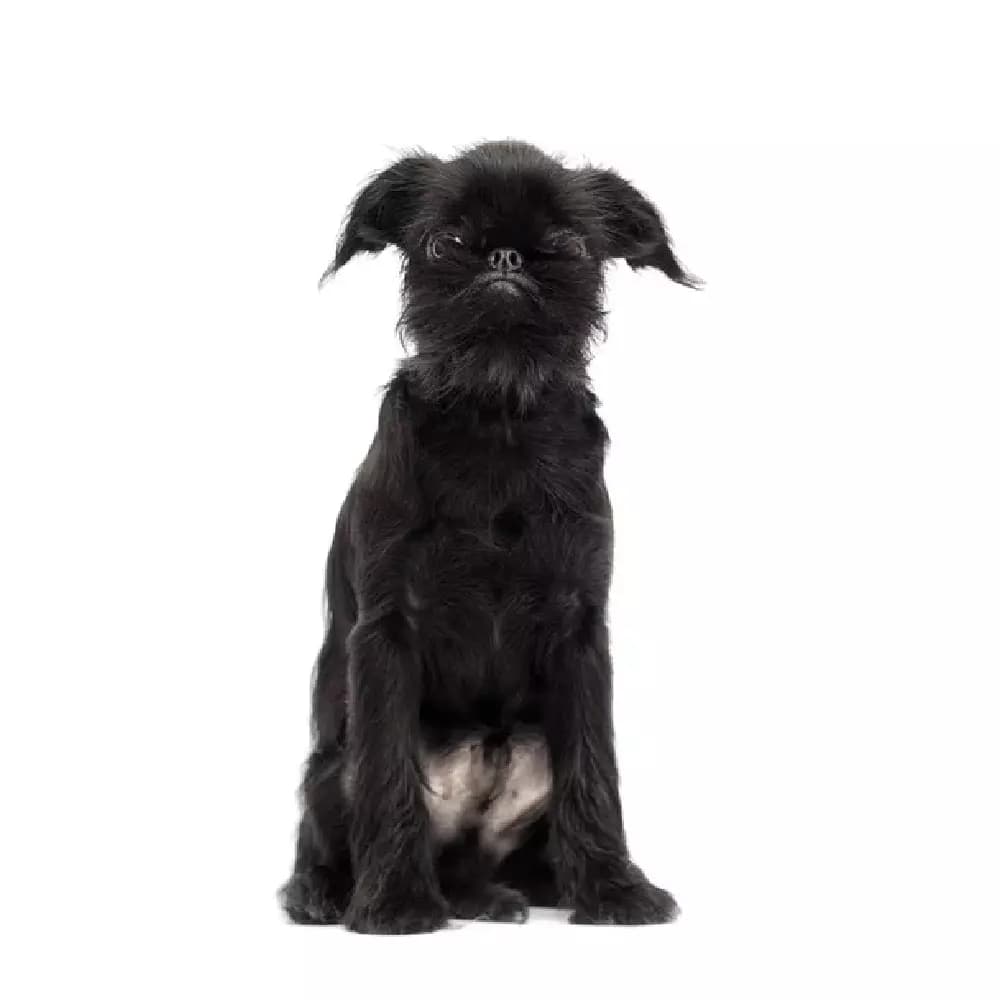
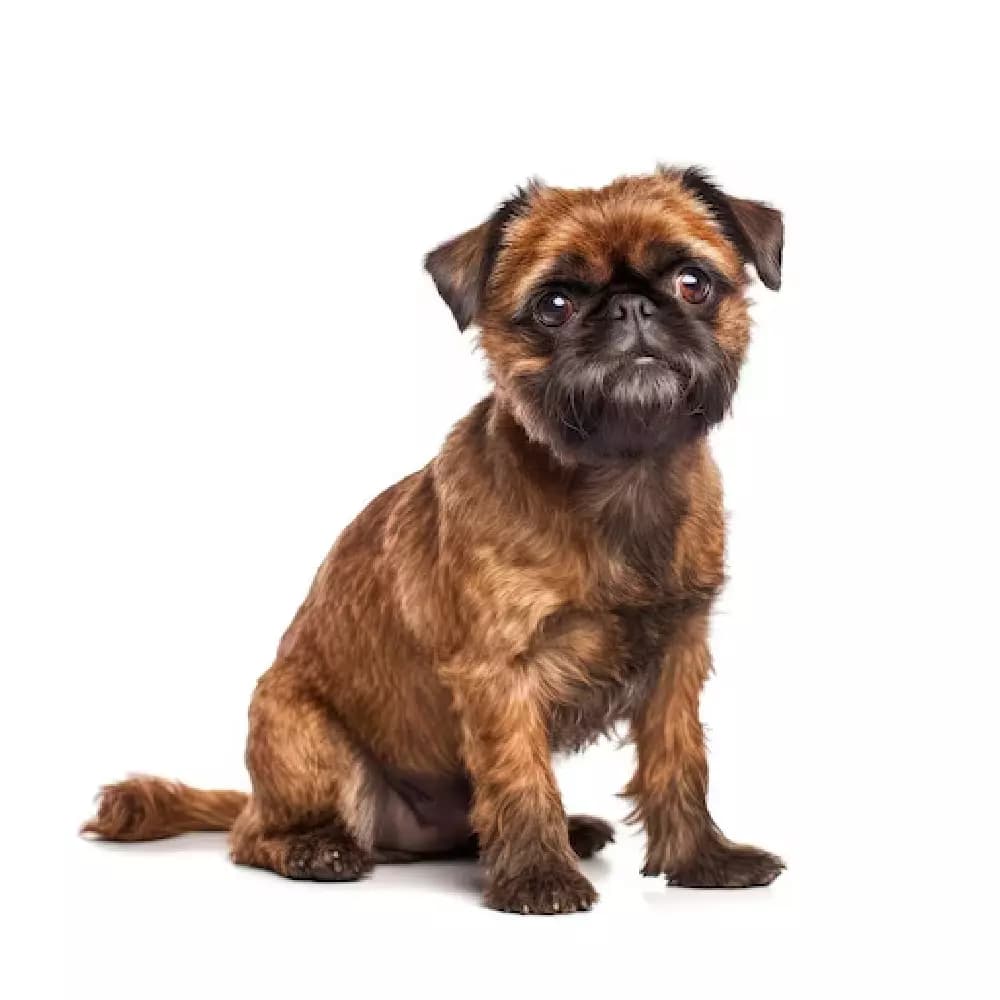
- Transport of dogs classified as special-handling or “potentially dangerous” breeds will be permitted as checked baggage, as long as they are not brachycephalic breeds. These dogs must wear a muzzle at all times (preferably a basket-type muzzle).
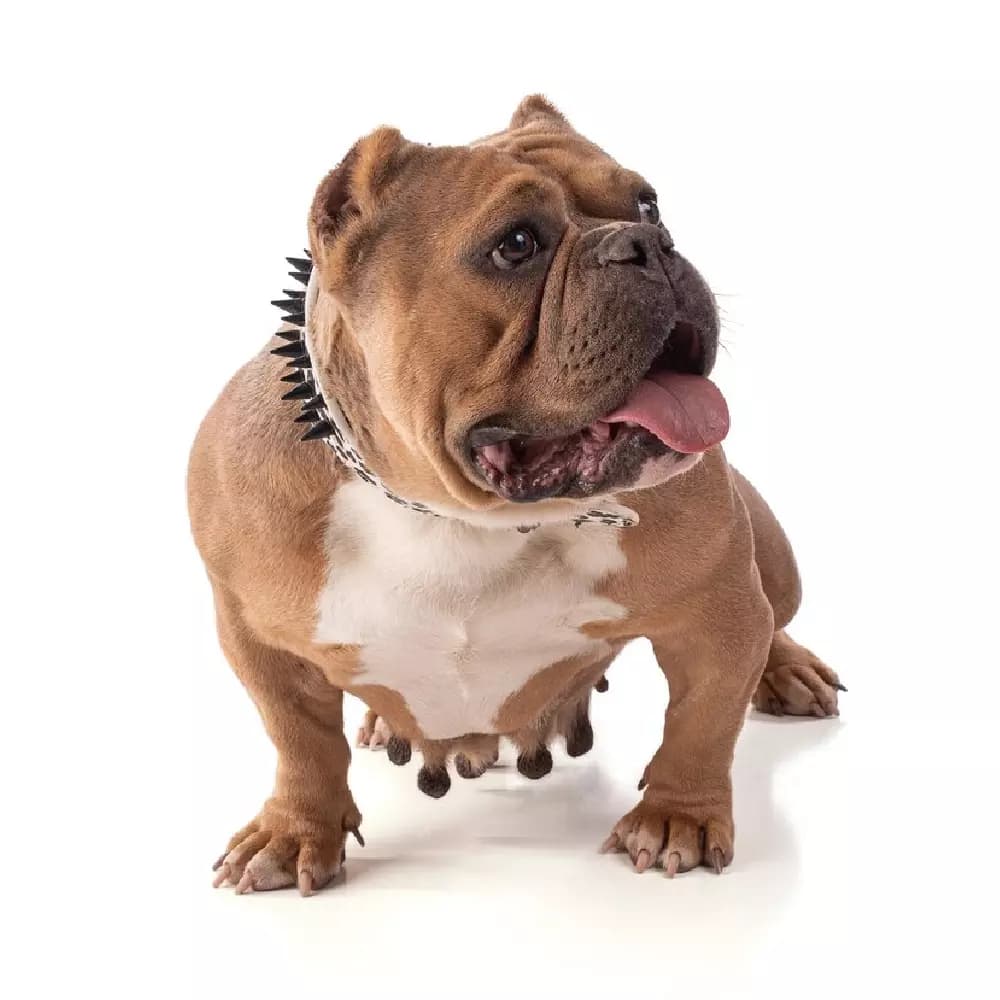
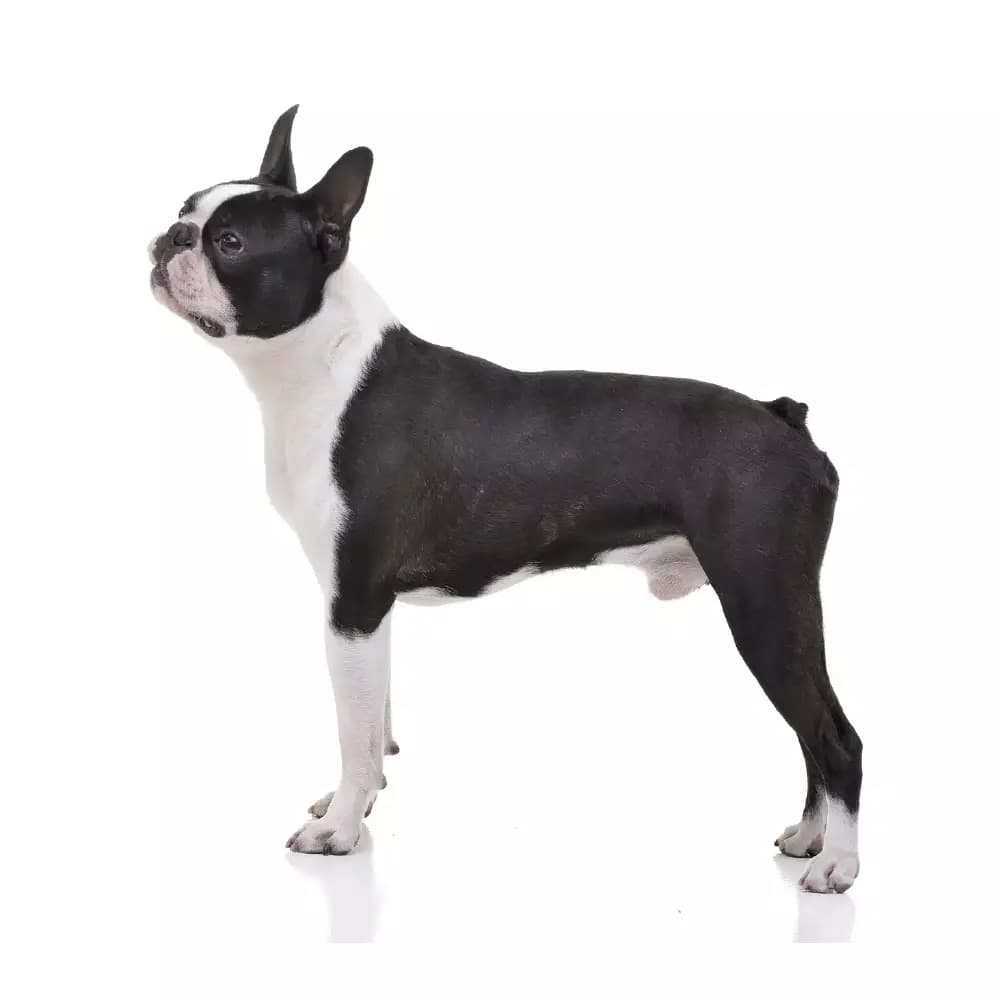
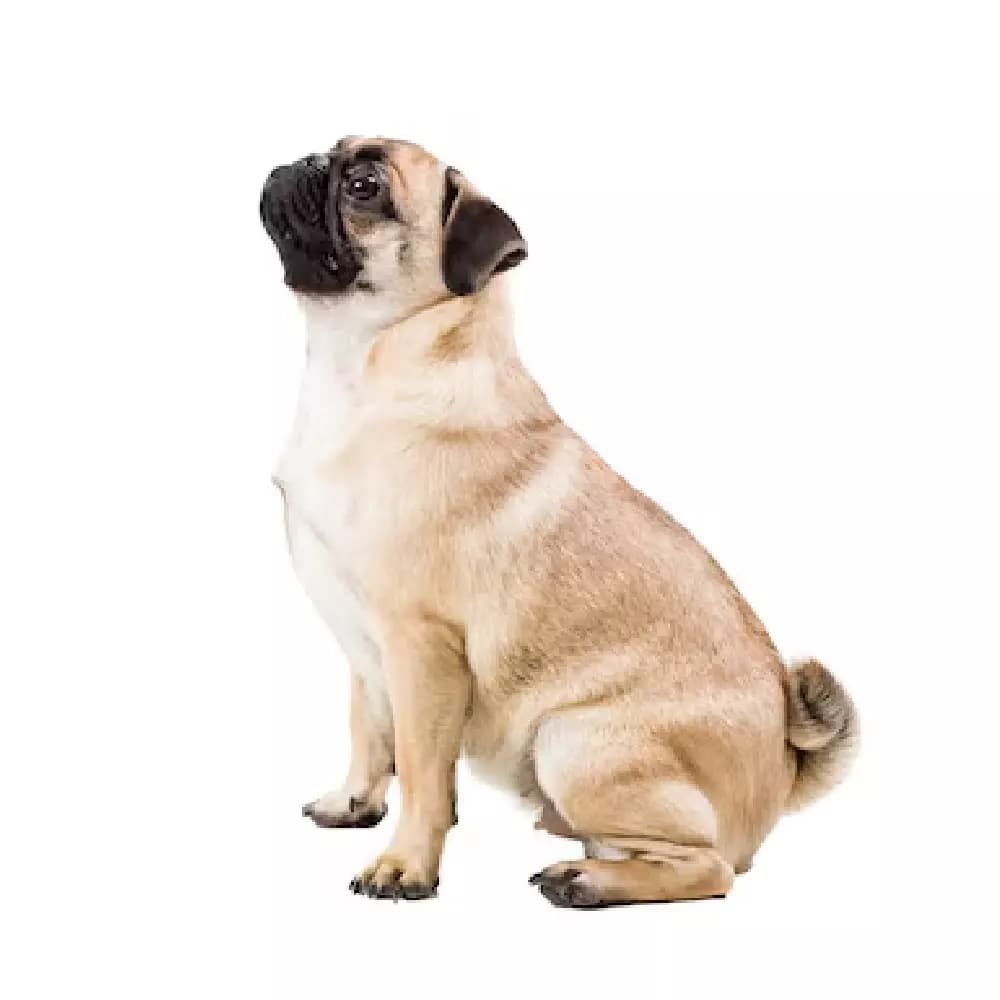
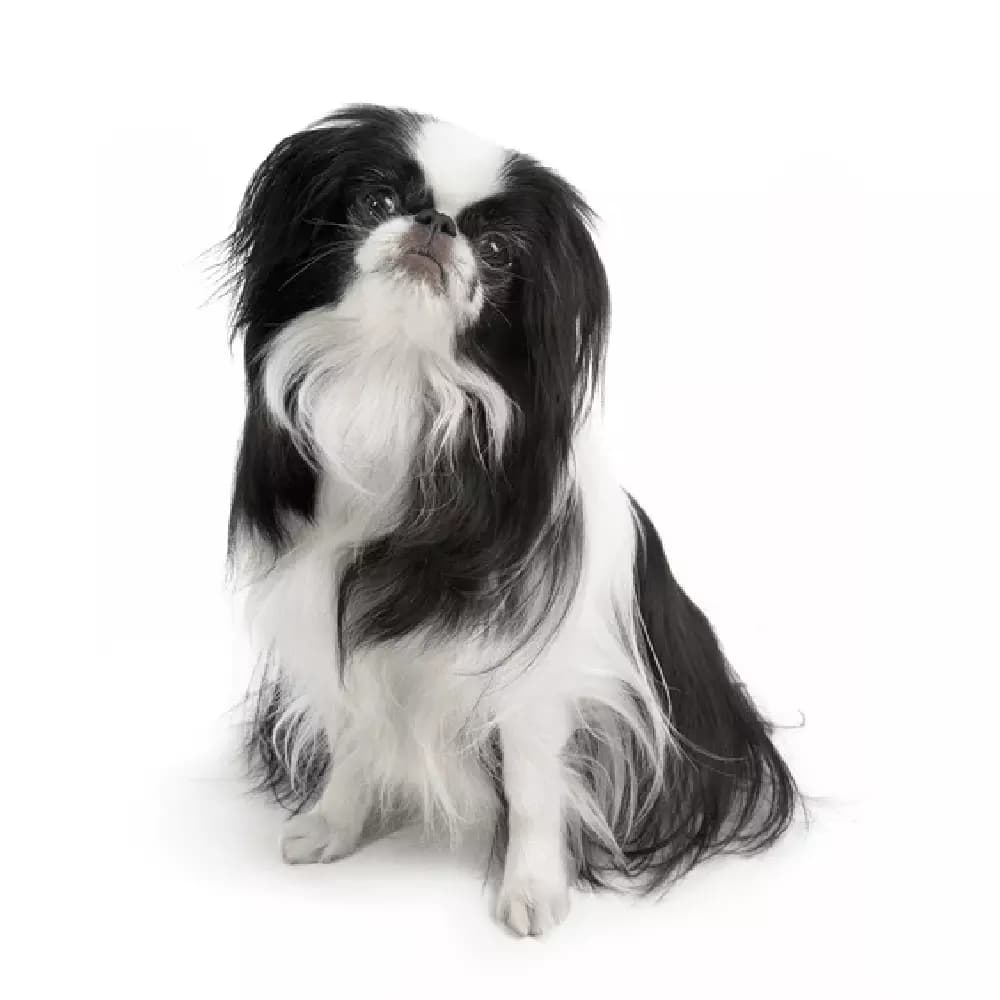
- Due to their anatomical characteristics, which make them susceptible to respiratory difficulties and problems regulating body temperature, BRACHYCEPHALIC BREEDS WILL NOT BE ACCEPTED as checked baggage.
- They may only be transported in kennels specially designed in fiberglass, carbon fiber, or rigid plastic that is firm and resistant, which must be provided by the passenger.
- Inside the kennel, the pet must have enough space to turn normally while standing, stand upright, sit comfortably, and rest in a natural position.
- All dogs of special-handling or “potentially dangerous” breeds must travel with a muzzle.
- Medium and/or large-sized breeds (measuring more than 50 cm from paw to shoulder) must wear a muzzle (preferably basket-type) in order to avoid possible incidents due to pressure or altitude changes and stress levels that might cause the dog to escape the kennel. The muzzle must be provided by the passenger; this requirement does not apply to guide dogs or emotional-support animals.
- All pets must travel on the same flight as their owner or registered passenger.
- In the case of transporting pets to and from abroad, the requirements established by the Colombian Agricultural Institute (ICA) must be fulfilled, which may be consulted at https://www.ica.gov.co/, as well as the requirements of the destination country’s authorities.
- The passenger must provide their own kennel or container, which must be suitable for transporting the animal. The passenger is responsible for delivering the pet already placed inside the kennel to the airline and retrieving it at the destination.
- The passenger must present themselves to check in their pet no later than 90 minutes before the scheduled flight departure.
Only DOGS are accepted as emotional support animals.
Documents required for transport:
- Valid vaccination card.
- Certificate issued by the passenger’s treating psychiatrist or clinical psychologist, stating that the emotional support animal is required. The certificate must have been issued within the last year and must include the date and place of issue, the animal’s breed, and the professional’s license number.
Conditions for transport:
- Only one (1) dog is allowed per passenger.
- A maximum of four (4) emotional support dogs will be allowed per flight, provided there are no service or assistance dogs on the flight. Service or assistance dogs will always have priority. (They must be included within the four (4) animals allowed in the cabin).
- The dog may travel without a kennel.
- A clean leash or harness must be worn at all times.
- The minimum age for pets to be transported is four (4) months or sixteen (16) weeks.
- The animal may travel on the passenger’s lap, or in the space in front of their feet or under their seat, and must not obstruct the aisle, an emergency exit, or access to emergency or survival equipment on the aircraft, nor present an impediment to a potential evacuation.
- Emotional support dogs considered special-handling or potentially dangerous breeds will not be accepted.
- For dogs weighing between 16 and 32 kg, or measuring more than 30 cm in height, 40 cm in length, and 40 cm in width, the seat next to the passenger who owns the pet will be blocked. The animal must be placed on the floor space of that seat, not on the seat itself.
- SATENA reserves the right to deny the transport of the pet based on flight availability and capacity. The airline also reserves the right to authorize transport under this modality only when safety, hygiene, comfort, and tranquility for the crew and passengers can be guaranteed.
3. Transport of Live Animals on International Flights
Only dogs and cats may be transported in the passenger cabin, with a maximum of four (4) animals per flight (this number includes pets in kennels as carry-on baggage, emotional support animals, and service dogs).
Documents required for transport:
Valid international health certificate (original and copy), stating that the animal was examined and shows no signs or symptoms of any infectious or contagious disease (valid for 1 month).
Valid vaccination card (original and copy), issued by a veterinarian authorized or accredited by the competent authorities of the country of origin, stating that the animal has received the appropriate vaccines (six-way for dogs and triple vaccine for cats), including batch number, expiration date, and product name (valid for 1 year).
Valid internal and external deworming certificate (original and copy), including full identification of the product used and the date of application (valid for 3 months).
Zoosanitary certificate for pets (dogs and cats) issued by the competent authority of the country of origin (ICA).
Identification microchip for pets (dogs and/or cats): pets entering Venezuela from the European Union or the United Kingdom must have an identification microchip of 12 to 15 digits and a rabies neutralizing antibody test, or alternatively present the original and copy of their passport.
Sanitary permit for the movement of animals and plants: Bank fee payment in the name of INSAI equivalent to 0.5 UT, according to Article 81, numeral 32 of the Comprehensive Agricultural Health Law.
Note: This process is carried out at Simón Bolívar International Airport in Maiquetía, 3rd Floor – Customs Area, at the INSAI Airport Office (Passenger Section), for issuance of the movement permit. This information is available on the official Institute website: http://www.insai.gob.ve
Conditions for transport:
- Only one (1) animal per passenger and per kennel is allowed.
- A maximum of four (4) animals in kennels as carry-on baggage will be allowed per flight, provided there are no assistance or emotional support dogs on the flight. The airline reserves the right to authorize transport under this modality when safety, hygiene, comfort, and tranquility of the crew and other passengers cannot be guaranteed.
- Pets may only be transported in a fully enclosed soft-sided fabric kennel.
- The total weight of the pet including the kennel must not exceed 10 kg.
- Kennel dimensions must not exceed: 40.6 x 27.9 x 20.3 cm (Length x Width x Height). In all cases, the shape and size of the container must allow it to fit comfortably under the seat in front of the passenger or under their own seat, without disturbing nearby passengers.
- The kennel may not be placed in the aisle, emergency exits, on the passenger’s lap, or near access to aircraft emergency or survival equipment. If the pet does not meet cabin transport conditions, it will not be transported.
- The pet must have enough space inside the kennel to stand up, turn around normally, sit upright, and rest in a natural position.
- The owner is responsible for maintaining the pet’s hygiene and sanitary conditions. The airline reserves the right to authorize transport only when safety, hygiene, comfort, and tranquility of the crew and other passengers can be guaranteed.
- The passenger must travel on the same flight as the pet.
- The kennel and all other transport accessories must be provided by the passenger.
- The minimum age for pets to be transported is four (4) months or sixteen (16) weeks. Animals younger than this will not be allowed to travel.
On flights to and from Venezuelan territory, SATENA will only accept DOGS as emotional support animals.
Documents required for transport:
- Certificate issued by the passenger’s treating psychiatrist or clinical psychologist stating that the passenger requires the companionship of an emotional support animal. This certificate must not be older than one (1) year from the date of issue and must include the date, place of issue, the animal’s breed, and the professional’s license number.
- Valid international health certificate (original and copy), certifying that the animal has been examined and shows no signs or symptoms of any infectious or contagious disease (valid for 1 month).
- Valid vaccination card (original and copy), issued by a veterinarian authorized or accredited by the competent authorities of the country of origin, stating that vaccines have been administered (six-way vaccine for dogs and triple vaccine for cats), including batch number, expiration date, and product name (valid for 1 year).
- Valid internal and external deworming certificate (original and copy), containing the full identification of the product used and the date of application (valid for 3 months).
- Zoosanitary certificate for pets (dogs and cats) issued by the competent authority of the country of origin (ICA).
- Identification microchip for pets (dogs and/or cats): pets entering Venezuela from the European Union or the United Kingdom must have an identification microchip of 12 to 15 digits and a rabies neutralizing antibody test, or alternatively present the original and copy of their passport.
- Sanitary permit for the movement of animals and plants: Bank fee payment in the name of INSAI equivalent to 0.5 UT, according to Article 81, numeral 32 of the Comprehensive Agricultural Health Law.
Note: This procedure must be completed at Simón Bolívar International Airport in Maiquetía, 3rd Floor – Customs Area, at the INSAI Airport Office (Passenger Section), for issuance of the movement permit. This information is available on the official Institute website: http://www.insai.gob.ve
Conditions for Transport:
- Only one (1) dog per passenger is allowed.
- A maximum of two (2) emotional support dogs per flight will be allowed, provided there are no service or assistance dogs on the flight. Service and assistance dogs have priority. (They must be included within the four (4) animals allowed in the cabin). The airline reserves the right to authorize transport under this modality when safety, hygiene, comfort, and tranquility of the crew and other passengers cannot be guaranteed.
- The dog may travel without a kennel.
- The dog must wear a leash or harness and be clean.
- The minimum age for pets to be transported is four (4) months or sixteen (16) weeks. Animals younger than this will not be transported.
- The animal may travel on the passenger’s lap or in the space in front of their feet or under their seat and must not obstruct the aisle, an emergency exit, or access to the aircraft’s emergency or survival equipment, nor create any impediment to a possible evacuation.
- Emotional support dogs of breeds classified as requiring special handling (potentially dangerous) will not be permitted.
- For dogs weighing between 16 kg and 32 kg or with a size greater than or equal to: 30 cm height, 40 cm length, and 40 cm width, the adjacent seat next to the passenger will be blocked, and the dog must remain on the floor space of that seat, not on the seat itself.
- SATENA reserves the right to transport pets based on flight availability and capacity.
On flights to and from Venezuelan territory, SATENA will only accept DOGS as service or assistance animals.
Documents required for transport:
- Training certificate or credential (valid for the lifetime of the dog).
- Valid international health certificate (original and copy), certifying that the dog has been examined and shows no signs or symptoms of any infectious or contagious disease (valid for 1 month).
- Valid vaccination card (original and copy), issued by a veterinarian authorized or accredited by the competent authorities of the country of origin, stating that vaccines have been administered (six-way vaccine for dogs and triple vaccine for cats), including batch number, expiration date, and product name (valid for 1 year).
- Valid internal and external deworming certificate (original and copy), containing full identification of the product used and the date of application (valid for 3 months).
- Zoosanitary certificate for pets (dogs and cats) issued by the competent authority of the country of origin (ICA).
- Identification microchip for pets (dogs and/or cats): pets entering Venezuela from the European Union or the United Kingdom must have an identification microchip of 12 to 15 digits and a rabies neutralizing antibody test, or alternatively present the original and copy of their passport.
- Sanitary permit for the movement of animals and plants: Bank fee payment in the name of INSAI equivalent to 0.5 UT, according to Article 81, numeral 32 of the Comprehensive Agricultural Health Law.
Note: This procedure must be completed at Simón Bolívar International Airport in Maiquetía, 3rd Floor – Customs Area, at the INSAI Airport Office (Passenger Section), for issuance of the movement permit. This information is available on the official Institute website: http://www.insai.gob.ve
Conditions for Transport:
A maximum of two (2) service or assistance dogs will be allowed per flight, having priority over all other categories. (They must be included within the four (4) animals allowed in the cabin). The airline reserves the right to authorize transport under this modality when safety, hygiene, comfort, and tranquility of the crew and other passengers cannot be guaranteed.
- Only one (1) dog per passenger is allowed.
- No additional cost applies.
- The dog is not required to travel in a kennel.
- The minimum age for service or assistance dogs to be transported is six (6) months.
- The dog must wear an official identification badge (card and tag) or another document certifying that it is an assistance animal or is in training as a guide dog.
- They must travel at all times with a vest or harness, certified collar, and leash.
- The dog must remain in the space in front of the passenger’s feet or under their seat and must not obstruct the aisle, an emergency exit, or access to the aircraft’s emergency or survival equipment, nor create any impediment to a possible evacuation.
4. Transport of Animals as Checked Baggage in the Cargo Hold
In the aircraft hold, under the condition of checked baggage (dogs or cats that do not meet the size requirements to travel in the cabin under the previously described modalities), only dogs and cats will be transported. Any other type of animal must be transported as cargo, complying with the requirements established by the airline, and the transport process must be carried out through the company’s designated cargo area.
Documents required for transport:
- Valid international health certificate (original and copy), certifying that the animal has been examined and shows no signs or symptoms of any infectious or contagious disease (valid for 1 month).
- Valid vaccination card (original and copy), issued by a veterinarian authorized or accredited by the competent authorities of the country of origin, stating that vaccines have been administered (six-way vaccine for dogs and triple vaccine for cats), including batch number, expiration date, and product name (valid for 1 year).
- Valid internal and external deworming certificate (original and copy), containing full identification of the product used and the date of application (valid for 3 months).
- Zoosanitary certificate for pets (dogs and cats) issued by the competent authority of the country of origin (ICA).
- Identification microchip for pets (dogs and/or cats): pets entering Venezuela from the European Union or the United Kingdom must have an identification microchip of 12 to 15 digits and a rabies neutralizing antibody test, or alternatively present the original and copy of their passport.
- Sanitary permit for the movement of animals and plants: Bank fee payment in the name of INSAI equivalent to 0.5 UT, according to Article 81, numeral 32 of the Comprehensive Agricultural Health Law.
Note: This procedure must be completed at Simón Bolívar International Airport in Maiquetía, 3rd Floor – Customs Area, at the INSAI Airport Office (Passenger Section), for issuance of the movement permit. This information is available on the official Institute website: http://www.insai.gob.ve
Number Allowed per Flight:
- The maximum number of dogs and cats transported as checked baggage in SATENA aircraft is three (3) per flight, subject to available space and size limitations in the aircraft hold. In exceptional circumstances requiring an increase in this limit, only the Director of Operations and/or the CCO Leader may authorize additional animals.
- Only one (1) adult dog or one (1) adult cat per passenger will be permitted, up to a maximum total weight of 40 kg (including the kennel). If this weight is exceeded, boarding will not be authorized.
A maximum of two (2) dogs or cats per passenger may be accepted in the same kennel, provided that:
Conditions for transport:
- The minimum age for transporting dogs or cats is four (4) months or sixteen (16) weeks.
- Pregnant dogs or cats will not be accepted.
- Dogs classified as special handling breeds (potentially dangerous) may be transported as checked baggage, provided they are not brachycephalic breeds. These dogs must wear a muzzle at all times.
- Due to their anatomical characteristics, which may cause respiratory or temperature regulation issues, brachycephalic breeds will NOT be permitted as checked baggage.
- Pets may only be transported in fiberglass kennels specifically designed for this purpose. The kennel must be provided by the passenger.
- The pet must have enough space inside the kennel to stand up, turn around normally, sit upright, and rest in a natural position.
- All special handling (potentially dangerous) dog breeds must travel with a muzzle.
- Medium and/or large breeds (measuring more than 50 cm from paw to shoulder) must wear a muzzle (preferably basket-type) in order to prevent incidents caused by pressure or altitude changes or stress, which may cause the dog to break free from the kennel. The muzzle must be provided by the passenger. This condition does not apply to guide dogs or emotional support animals.
- All pets must travel on the same flight as their owner or the registered passenger.
- The passenger must provide their own kennel or container, and it must be suitable for transporting the pet.
- The passenger is responsible for delivering the pet to the airline already secured inside its kennel or container and must collect the pet at the destination airport.
- Passengers transporting pets must present themselves for check-in no later than two (2) hours prior to departure. The minimum age for pets to travel is four (4) months or sixteen (16) weeks. Animals younger than this will not be allowed to travel.
5. Fares for Flights Within Colombian National Territory
This service will have a cost according to the weight of the pet, as follows:
- Up to 10 kg, including the kennel, the cost will be COP $90,000 as established for the current year and published on the website. If this weight is exceeded, the pet will be transported in the aircraft hold as checked baggage. If the passenger exceeds the baggage allowance with their own baggage plus the pet as checked baggage, the passenger must assume the additional cost defined by SATENA.
- SATENA reserves the right to authorize transport under this modality if the previously described conditions are not met.
Emotional Support Animals:
This service will have a cost based on the weight and size of the pet, as follows:
- Between 1 kg and 15 kg: no cost applies.
- Between 16 kg and 32 kg, or with a size greater than 30 cm in height, 40 cm in length, and 40 cm in width (see Annex 1), a cost equivalent to the value of the available seat at the time of booking will apply, considering that the pet occupies the space of a passenger seat.
Note: The above fares will be published on the SATENA website; however, they may be modified by the airline without prior notice.
Service or Assistance Animals
This service does not generate any additional cost.
- Animals as Checked Baggage in the Cargo Hold
- If the passenger exceeds the baggage allowance with their own baggage plus the pet as checked baggage, the passenger must assume the additional cost per kilogram defined by SATENA.
Note: The above fares will be published on the SATENA website; however, they may be modified by the airline without prior notice.
6. Fares for Flights To and From Venezuelan Territory
This service will have a cost according to the weight of the pet, as follows:
- Up to 10 kg, including the kennel, the cost will be 100 USD as established for the current year and published on the website. If this weight is exceeded, the pet will be transported in the aircraft hold as checked baggage. If the passenger exceeds the baggage allowance with their own baggage plus the pet as checked baggage, the passenger must assume the additional cost defined by SATENA.
- SATENA reserves the right to authorize transport under this modality if the previously described conditions are not met.
Emotional Support Animals:
This service will have a cost based on the weight and size of the pet, as follows:
- Between 1 kg and 15 kg: no cost applies.
- Between 16 kg and 32 kg, or with a size greater than 30 cm in height, 40 cm in length, and 40 cm in width, a cost equivalent to the value of the available seat at the time of booking will apply, considering that the pet occupies the space of a passenger seat.
Service or Assistance Animals:
- This service does not generate any additional cost.
Animals as Checked Baggage in the Cargo Hold:
- From 1 kg up to 12 kg, the cost is 100 USD. If the pet exceeds this weight, the passenger must assume an additional cost of 10 USD per kilogram as defined by SATENA.
Note: The above fares will be published on the SATENA website; however, they may be modified by the airline without prior notice.
1. Guide Dogs: The role of a guide dog is to assist people who are blind or visually impaired.
2. Hearing Dogs: Hearing dogs act as ears for people who are deaf or hard of hearing. They are trained to alert their handlers to important sounds.
3. Seizure Alert Dogs: These dogs are trained to recognize the often subtle signs that their handlers are about to experience a seizure, a condition commonly associated with epilepsy.
4. Diabetic Alert Dogs: These dogs can detect drops in blood sugar levels before they reach dangerous levels.
5. Allergy Detection Dogs: These dogs use their sense of smell to detect traces of allergens in the air or in food, helping children or adults with allergies avoid certain substances that may pose life-threatening risks.
6. Mobility Assistance Dogs: They perform invaluable tasks for people with impaired motor function, especially those who use wheelchairs. They may also assist individuals with arthritis, cerebral palsy, muscular dystrophy, or spinal cord injuries, among others.
7. Autism Support Dogs: They help their handlers navigate social environments and increase their confidence. They support people with autism in improving communication skills and better regulating emotions.
8. Psychiatric Service Dogs: They assist people with mental health conditions such as post-traumatic stress disorder, depression, and bipolar disorder. Psychiatric service dogs provide comforting support during moments of distress or discomfort in public environments. They are not the same as emotional support or therapy dogs.
9. Post-Traumatic Stress Disorder (PTSD) Dogs: They support war veterans dealing with the psychological and emotional effects of PTSD resulting from combat experiences.
10. Search and Rescue Dogs: These animals are trained to locate living or recently deceased persons in a wide variety of situations.
Animals as Checked Baggage in the Cargo Hold
If the passenger exceeds the baggage allowance with their own baggage plus the pet as checked baggage, the passenger must assume an additional cost of 9,000 COP per excess kilogram.
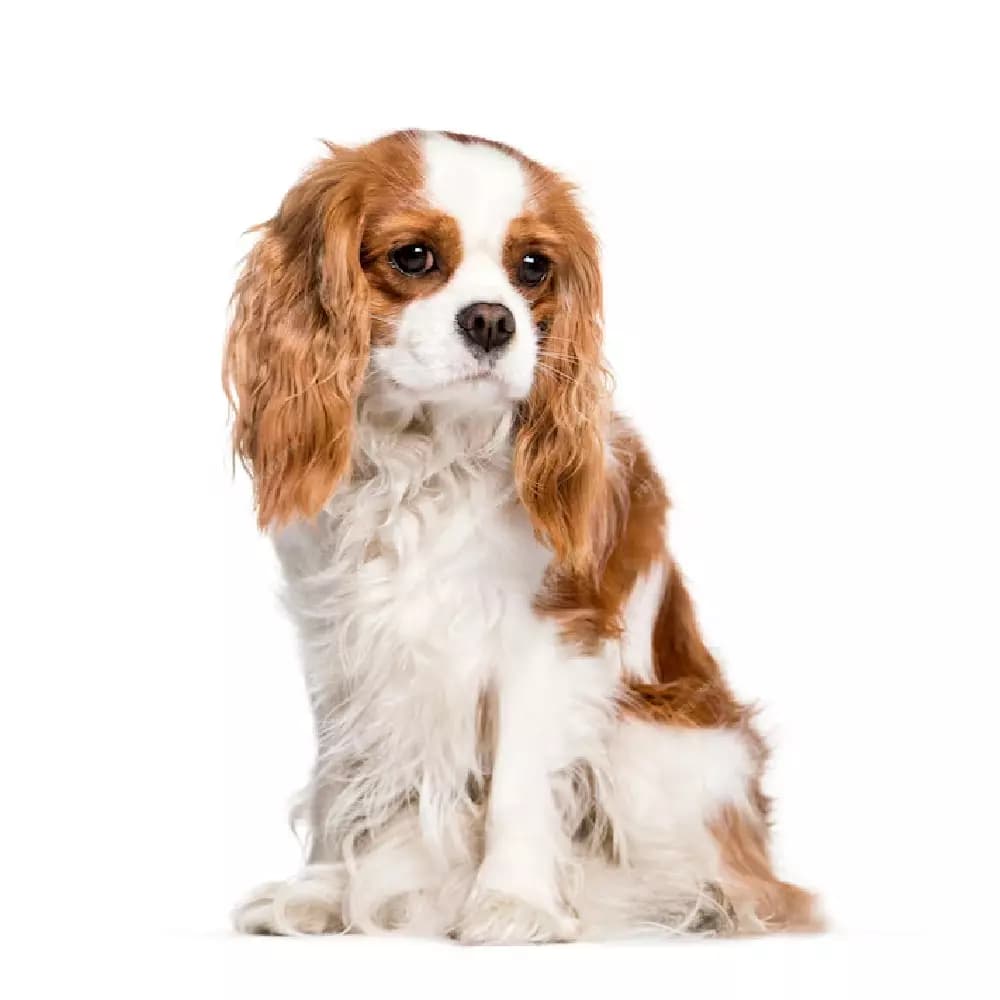
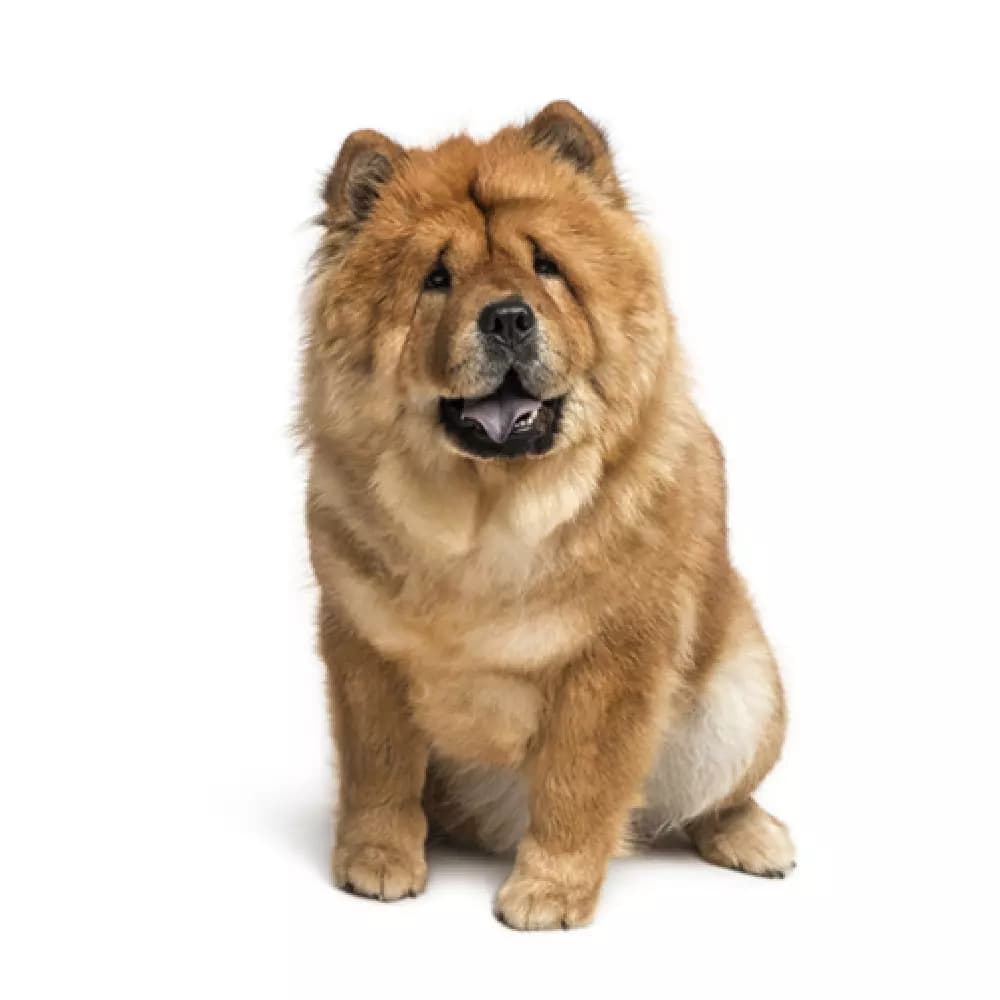
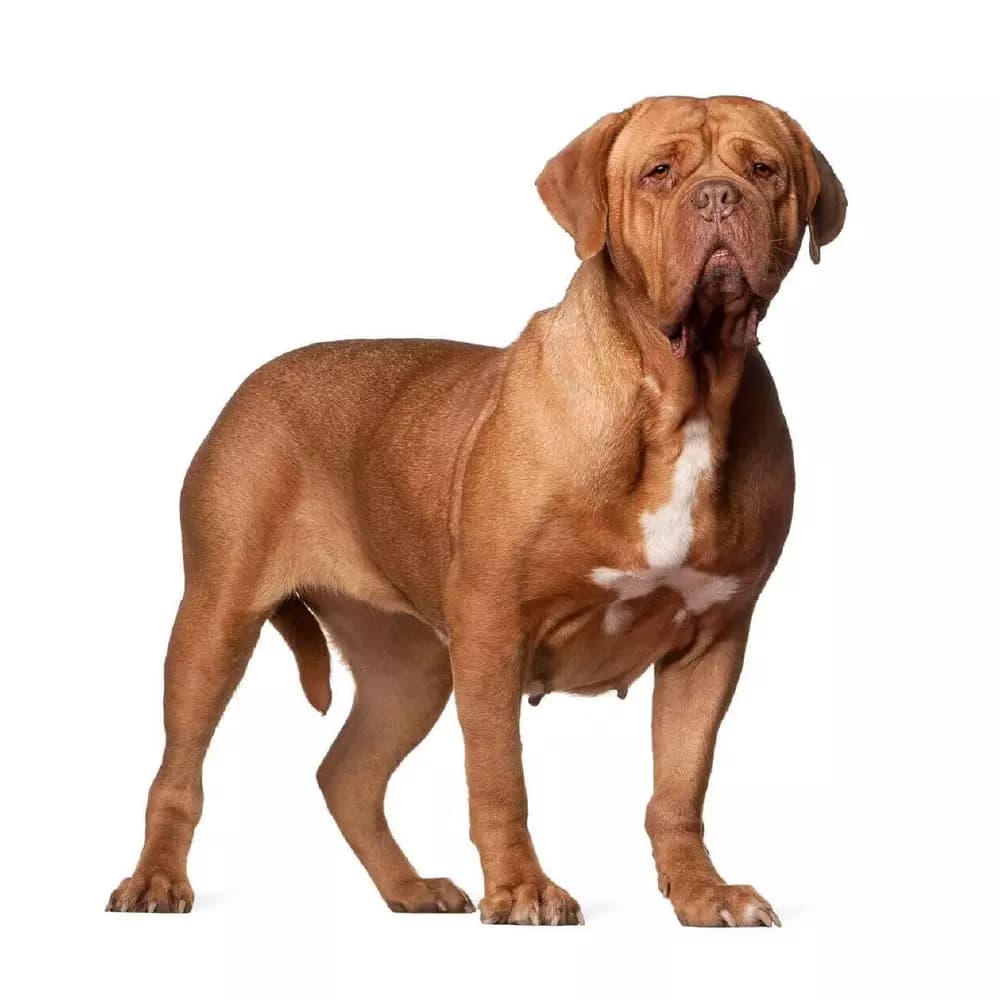
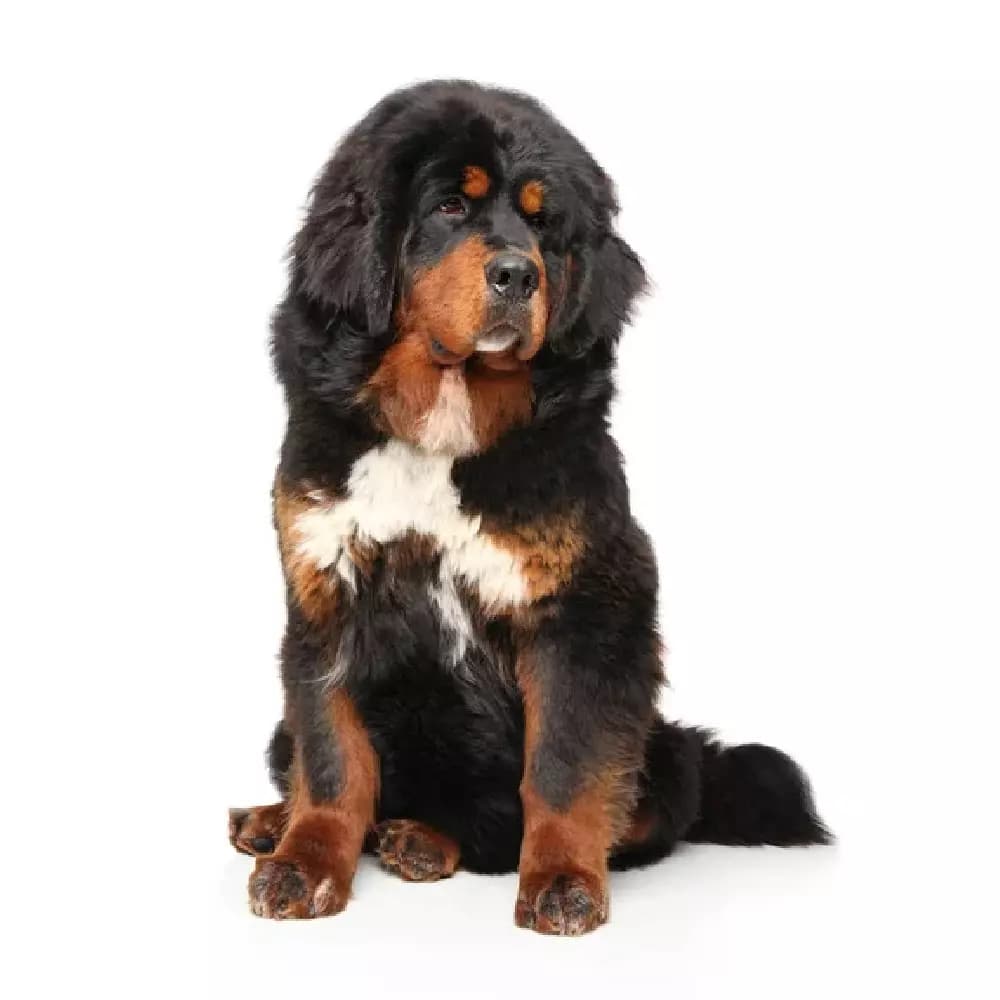
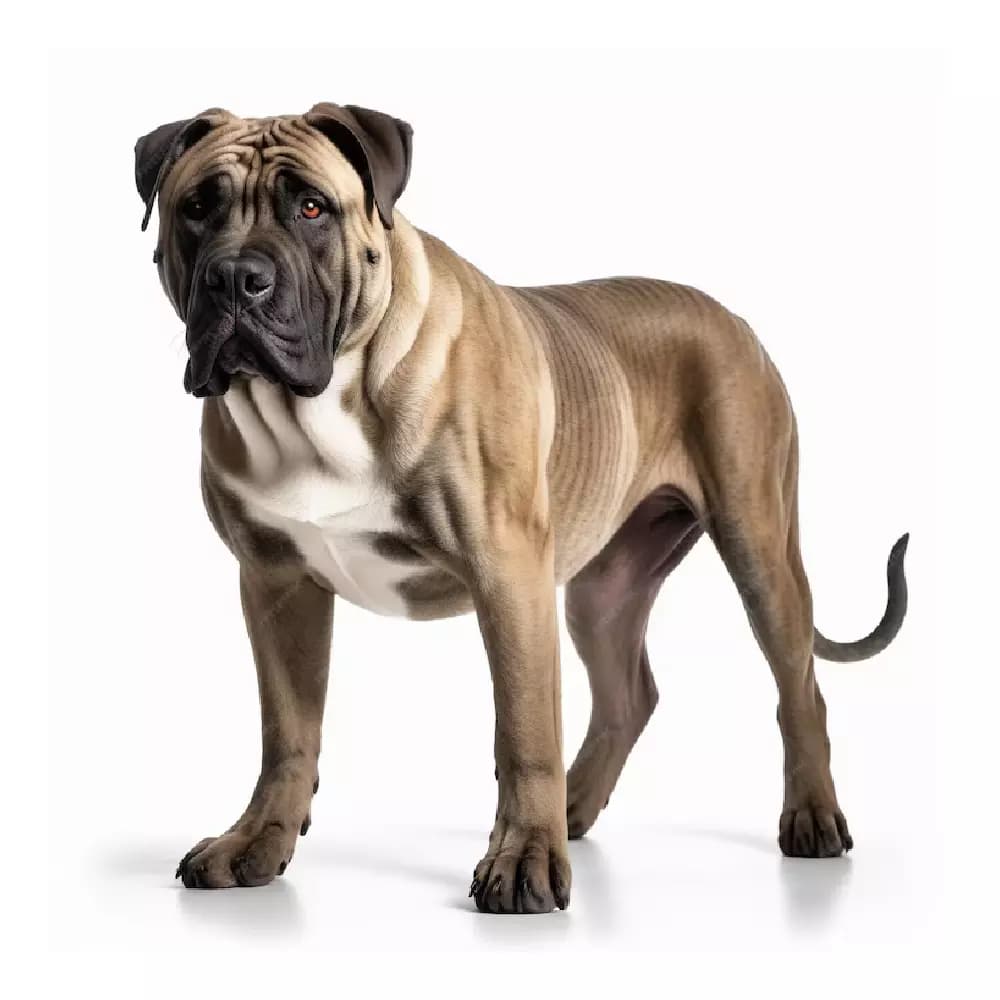
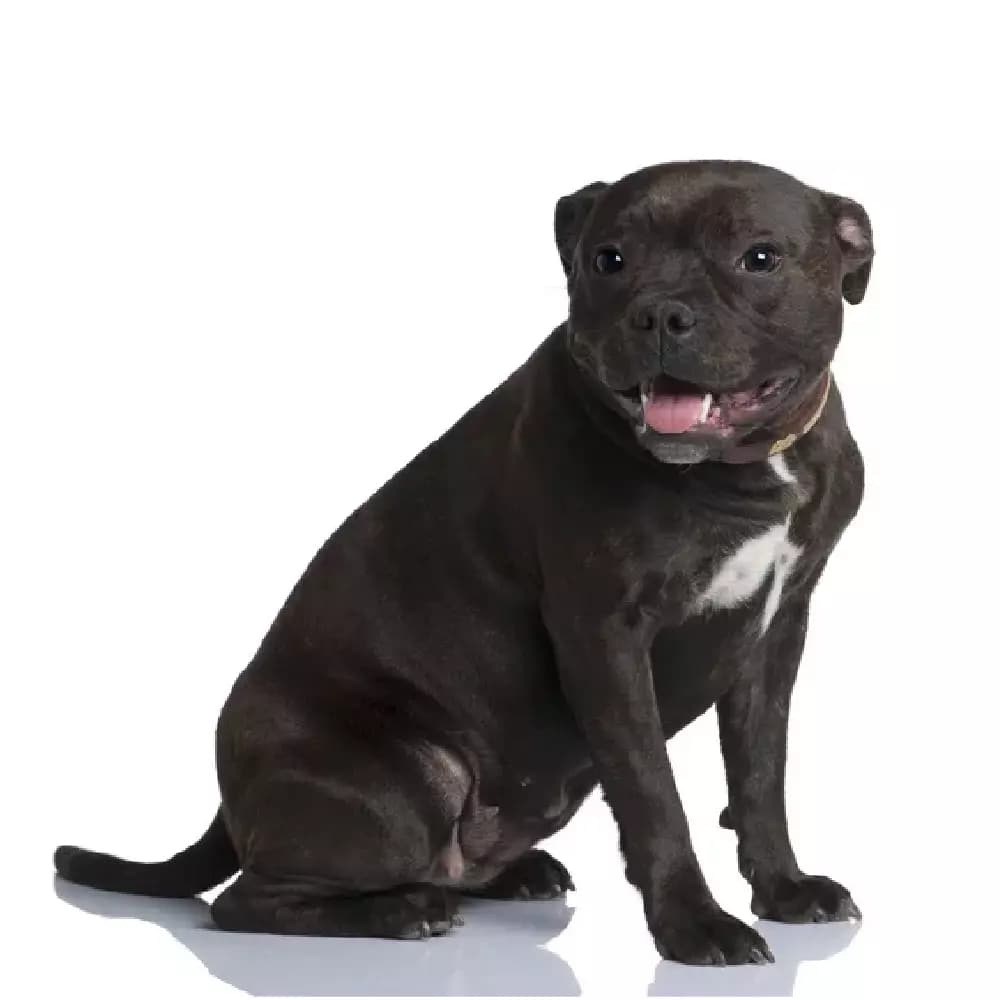
Special Handling Dog Breeds
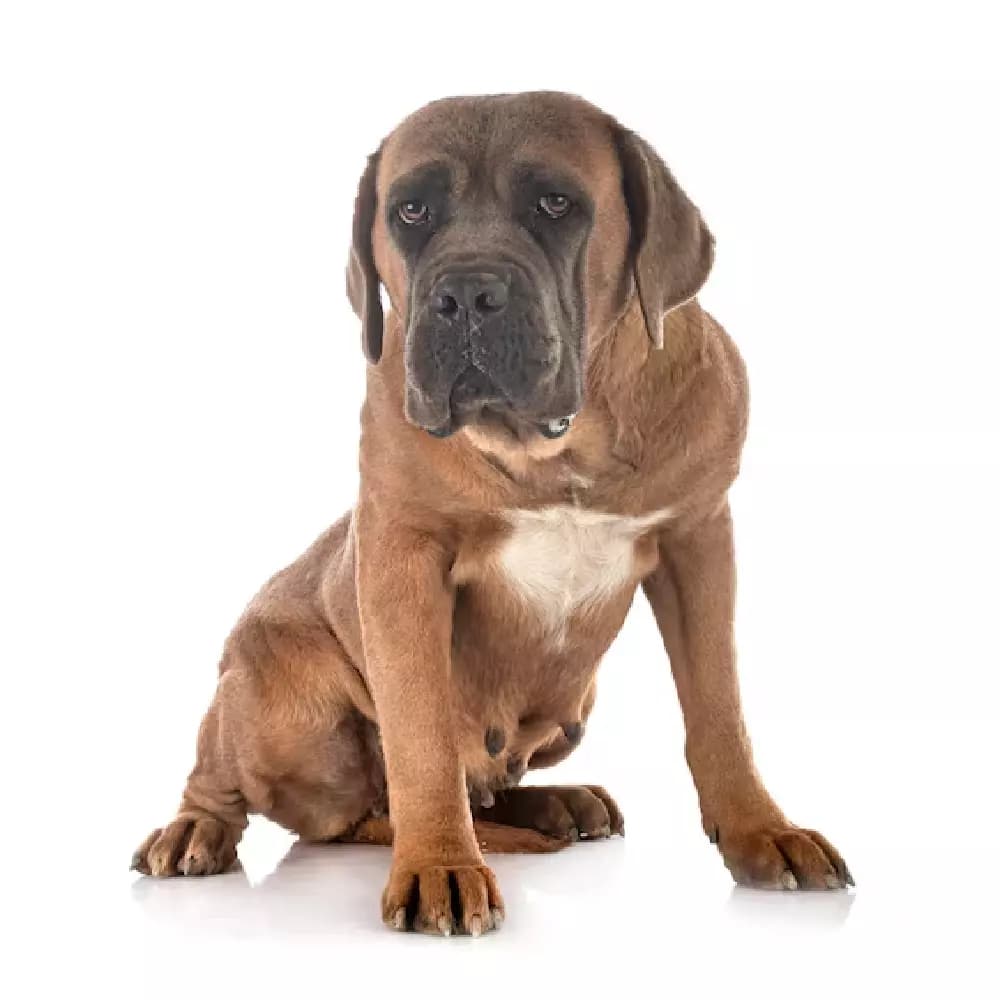
SATENA will allow dogs classified as special handling breeds to travel in the cabin, provided they wear a muzzle during all phases of the flight. When transported as checked baggage, they must also wear a muzzle and their kennels must be secured with straps and plastic seals. The following breeds are considered special handling (potentially dangerous), according to Article 126 of Law 1801 of 2016 (National Code of Police and Coexistence):
- American Staffordshire Terrier
- Staffordshire Bull Terrier
- Pit Bull Terrier
- American Pit Bull Terrier
- Bullmastiff
- Presa Canario
- Doberman
- Dogo Argentino
- Dogue de Bordeaux
- Fila Brasileiro
- Neapolitan Mastiff
- Bull Terrier
- Rottweiler
- Tosa Japanese or Tosa Inu
- Crossbreeds or hybrids of the above-mentioned breeds
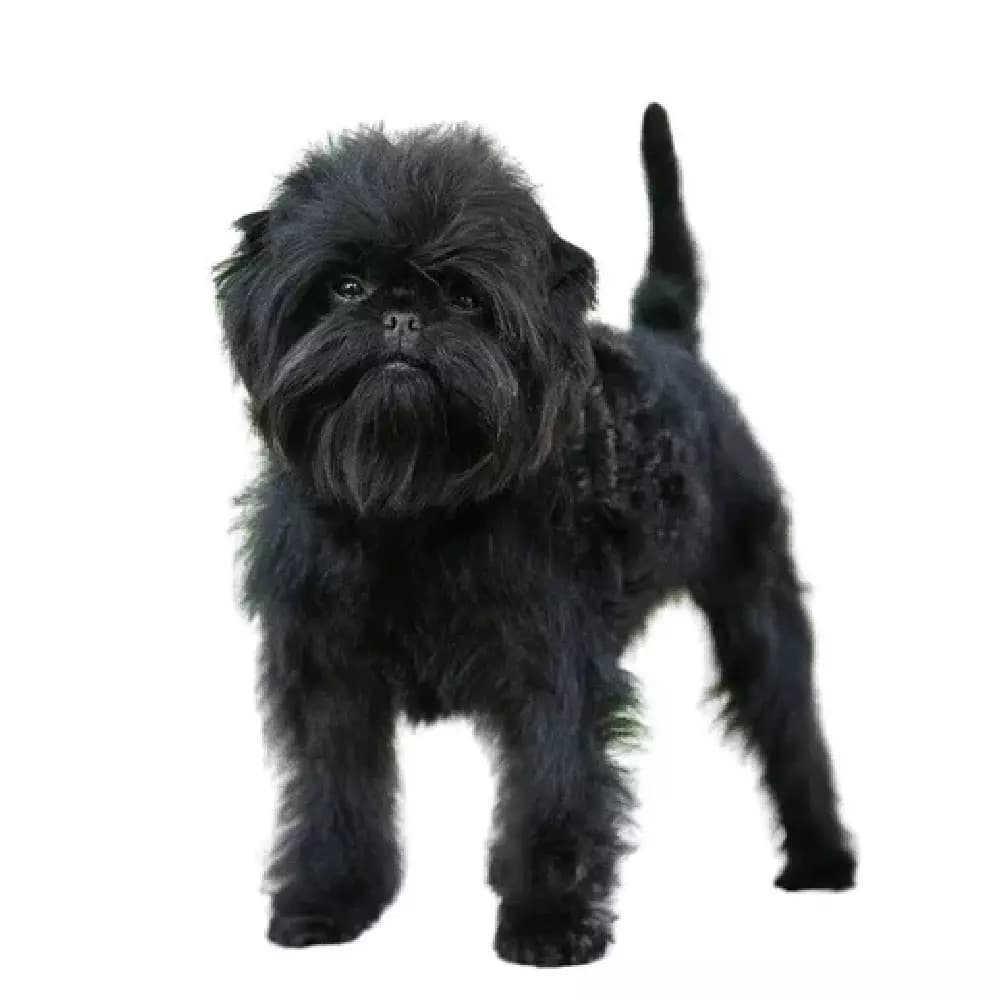
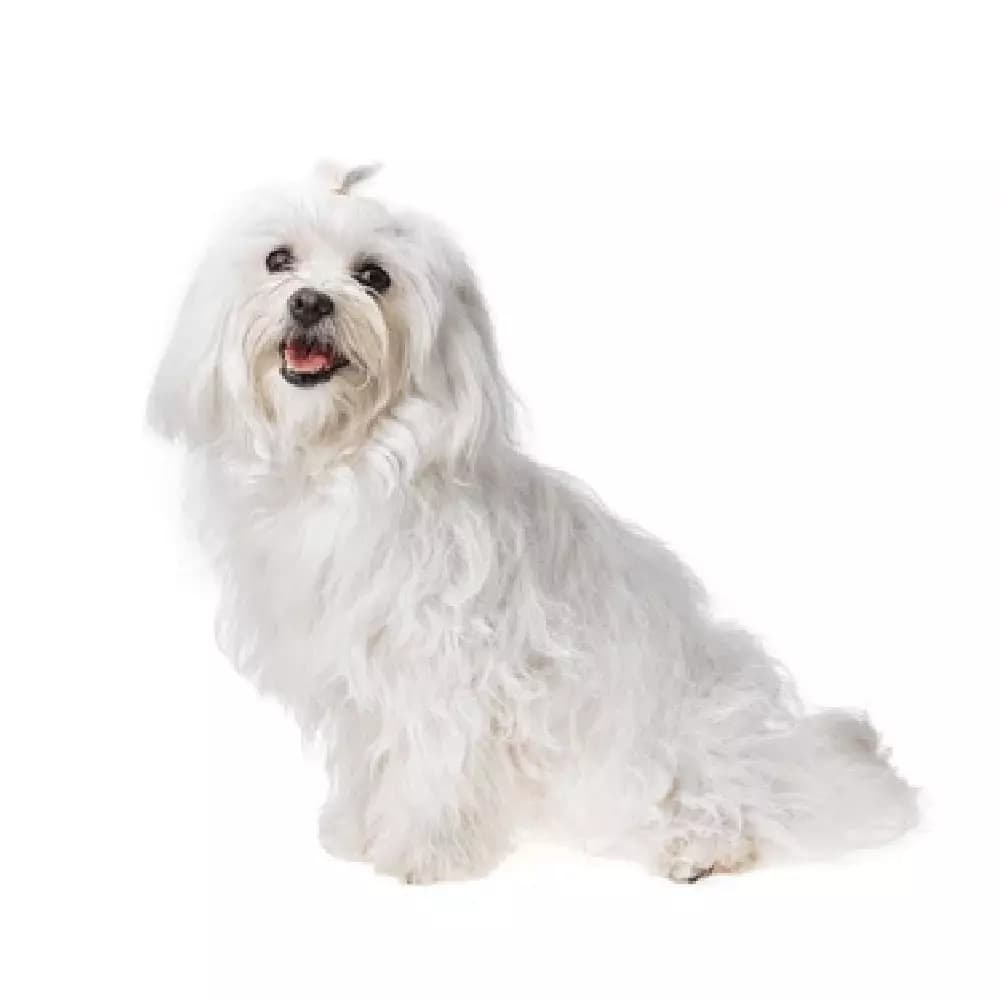
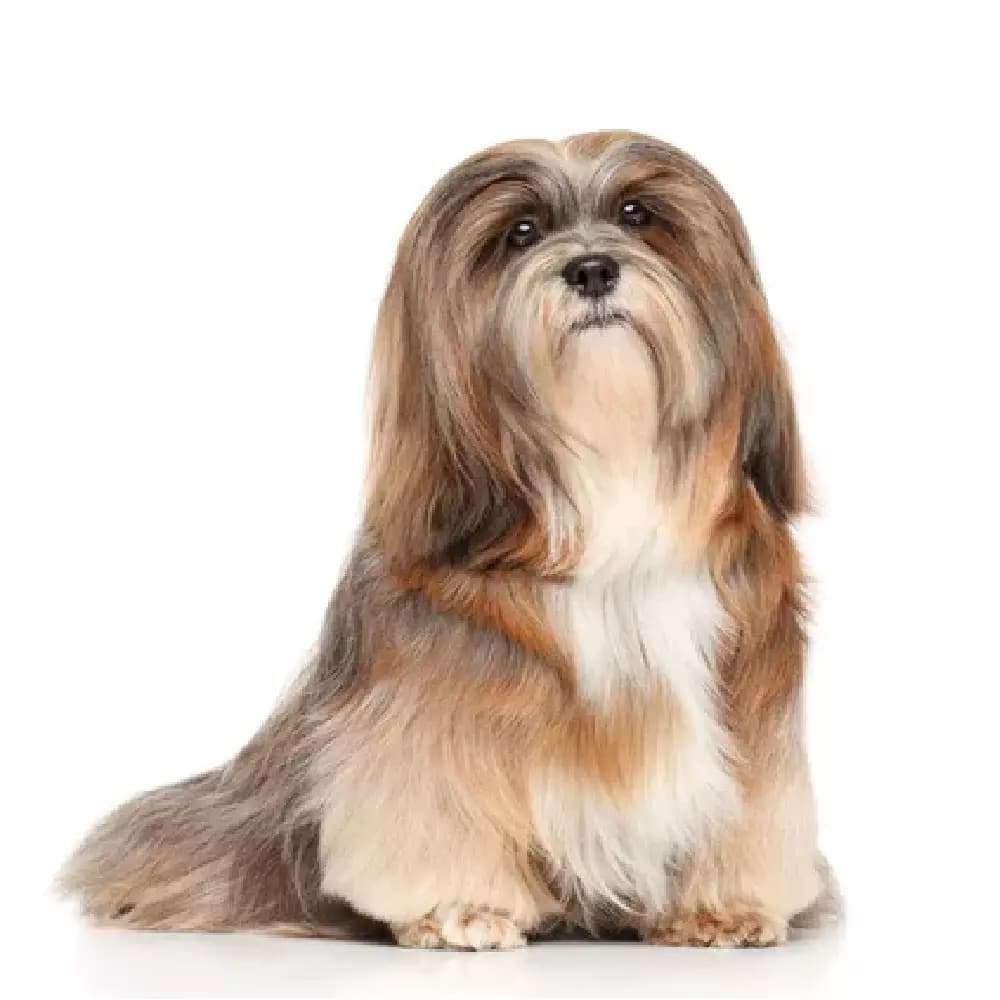
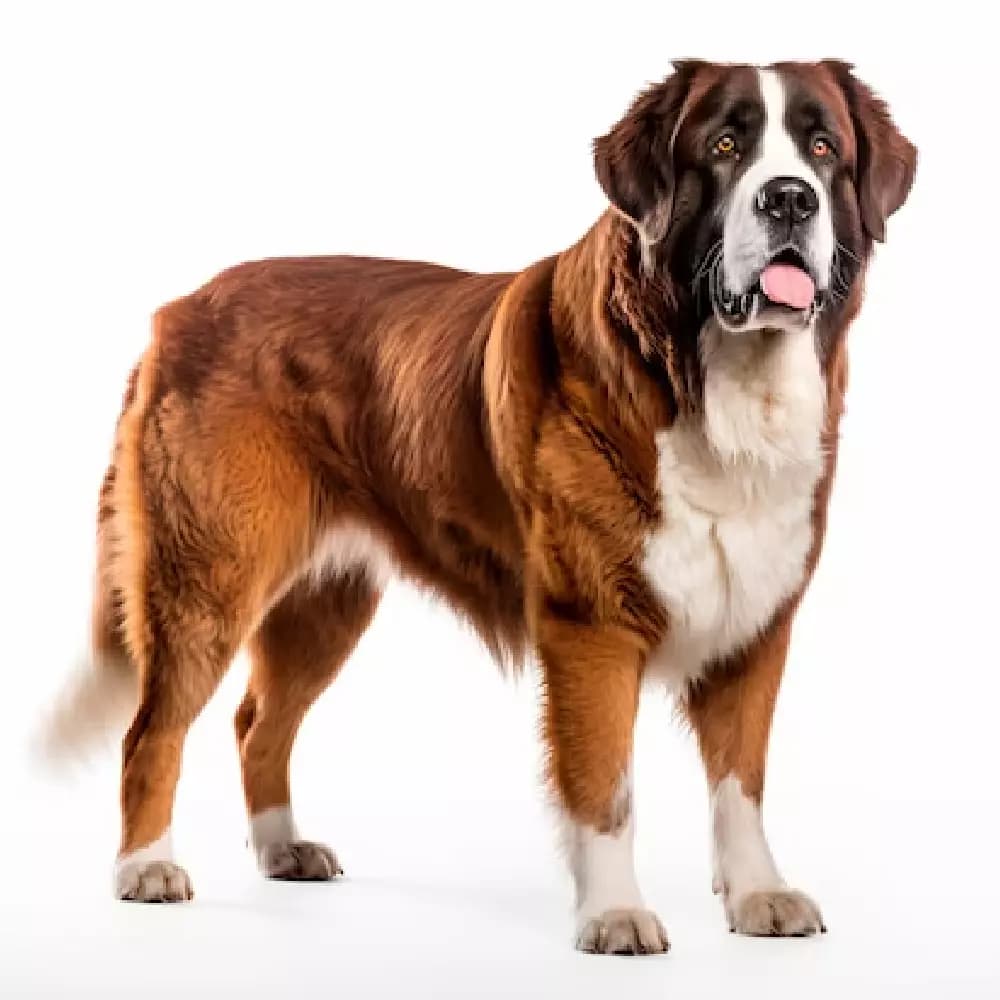
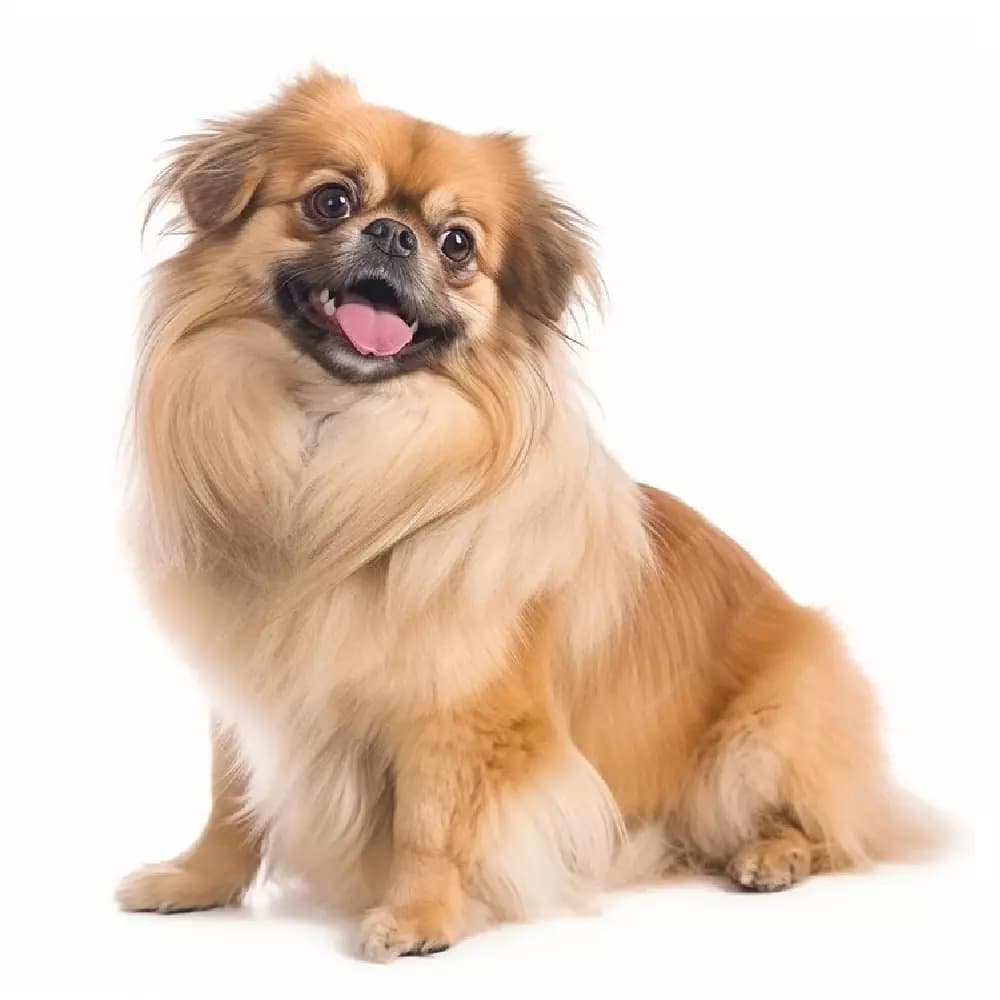
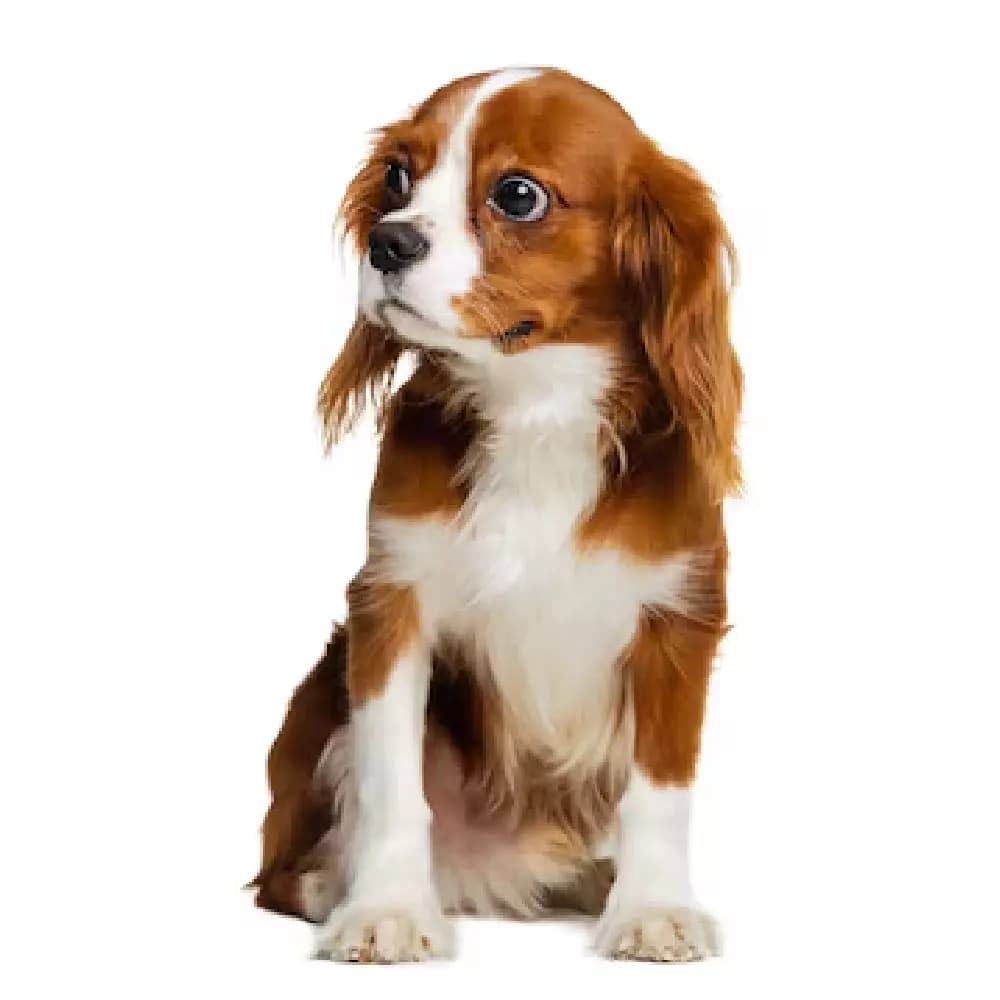
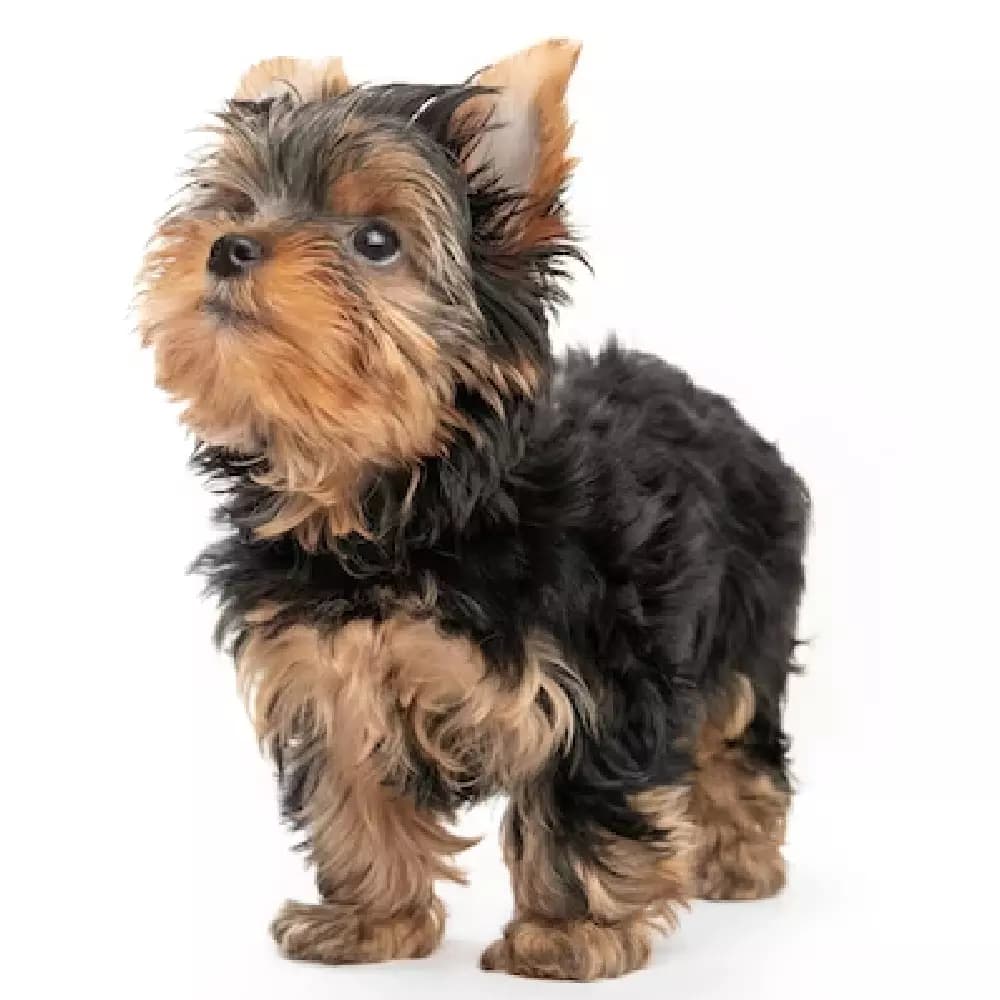
Dogs:
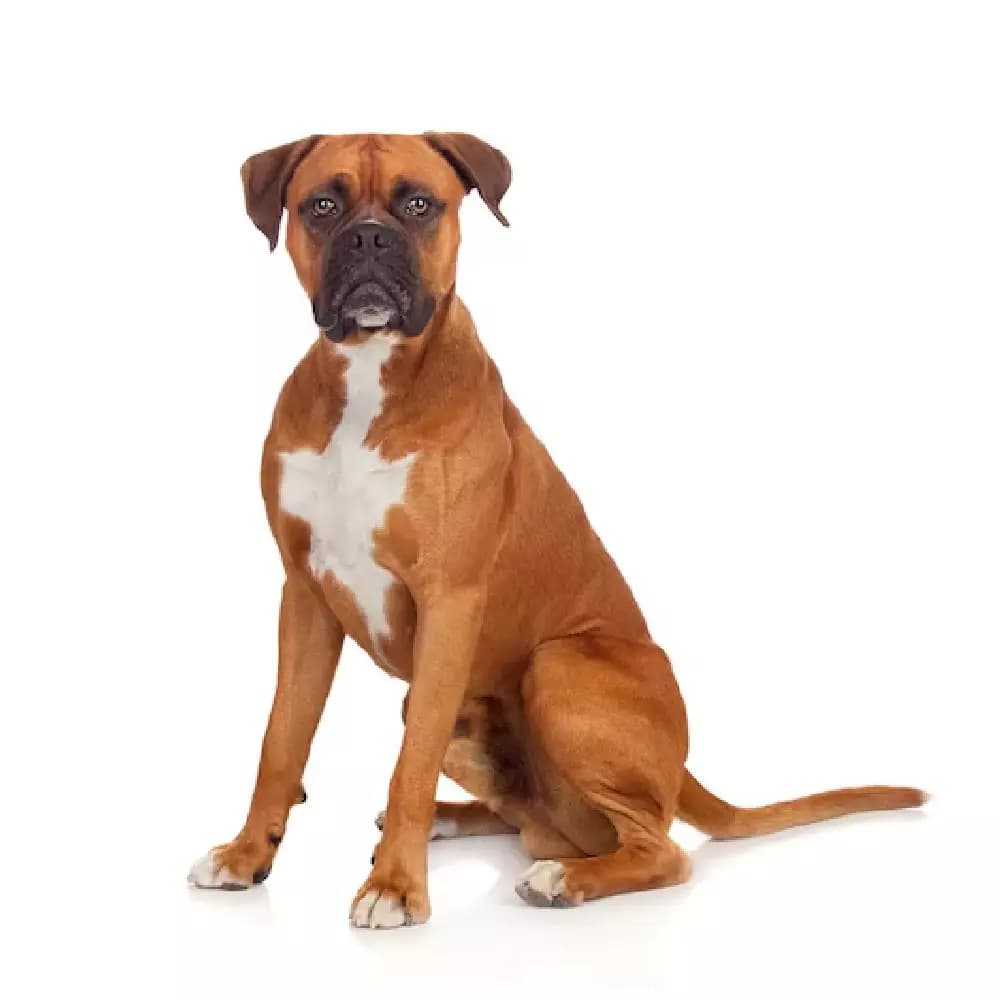
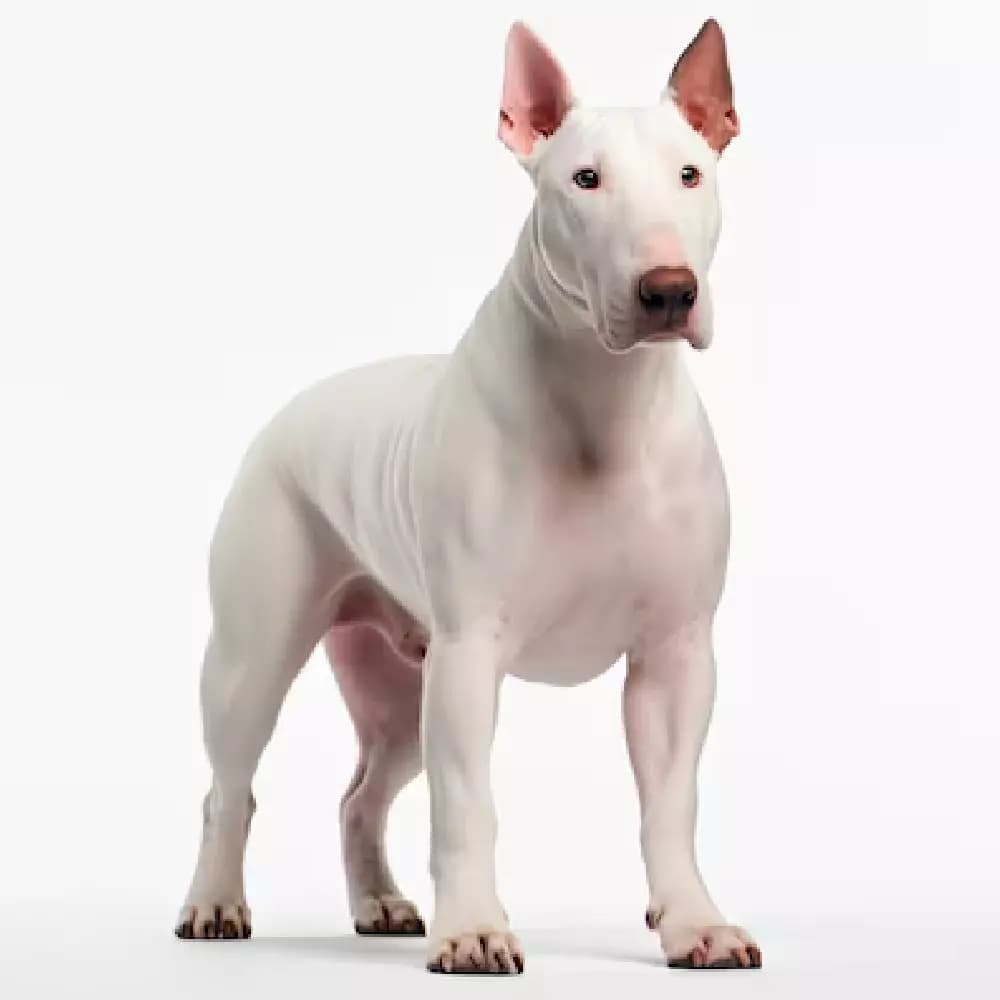
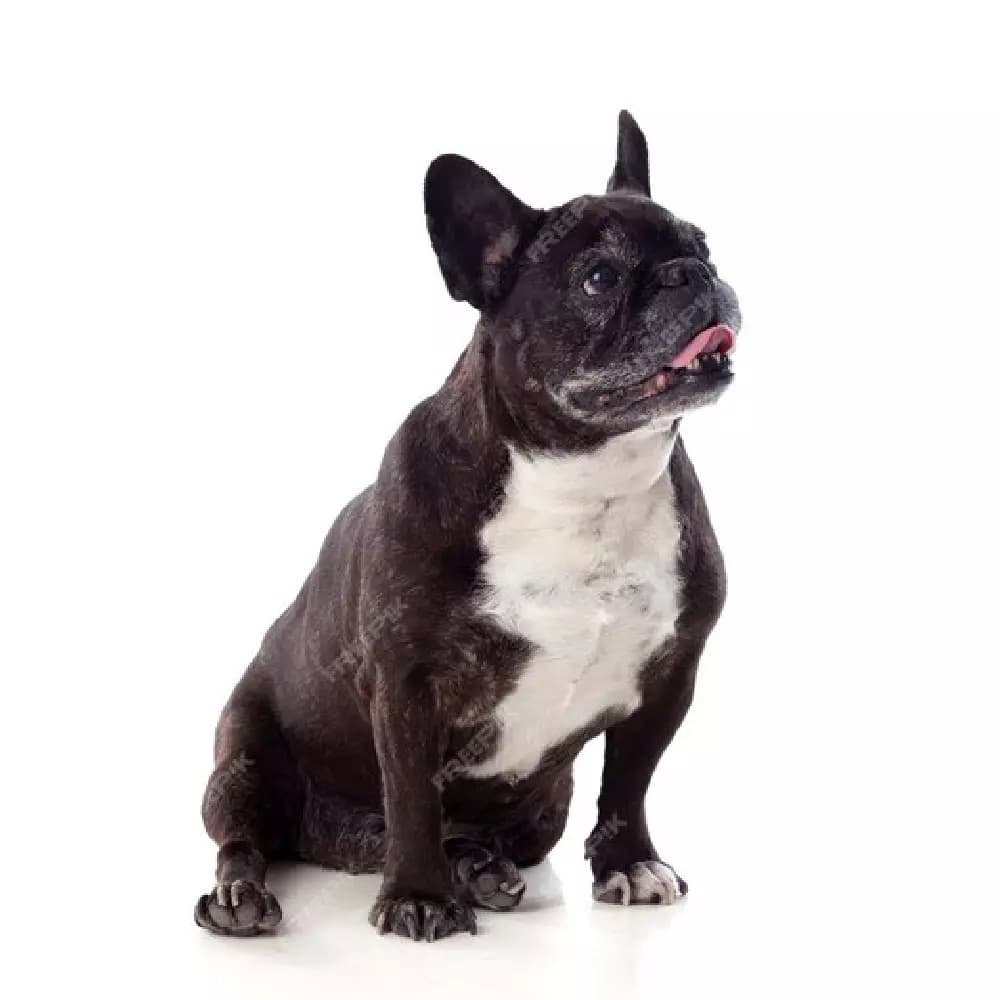
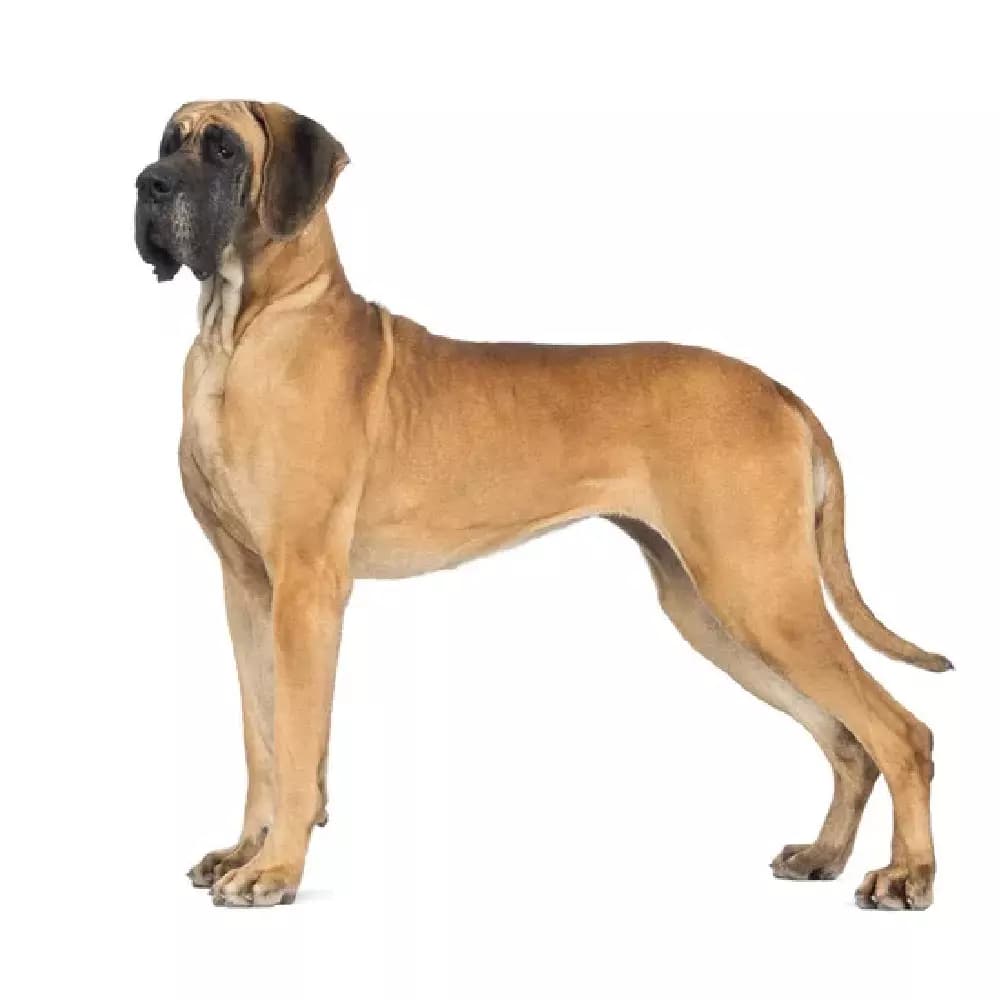




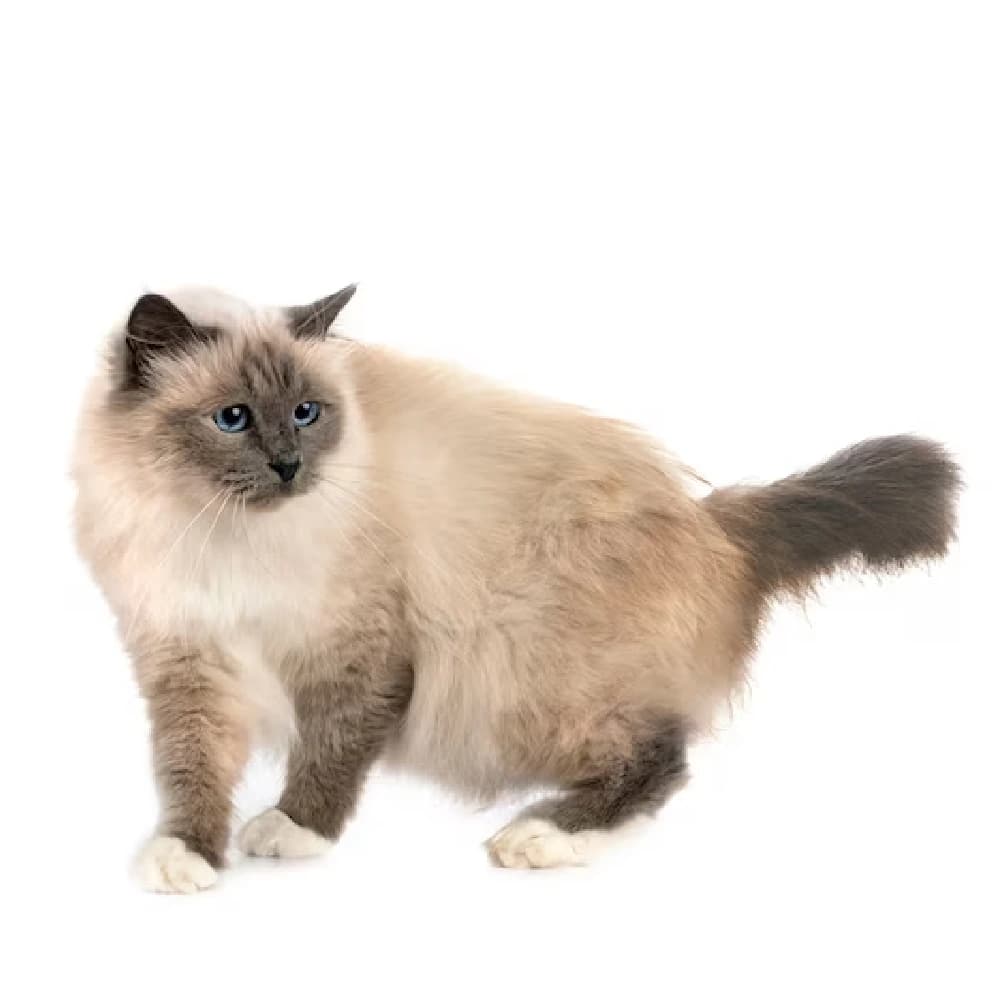
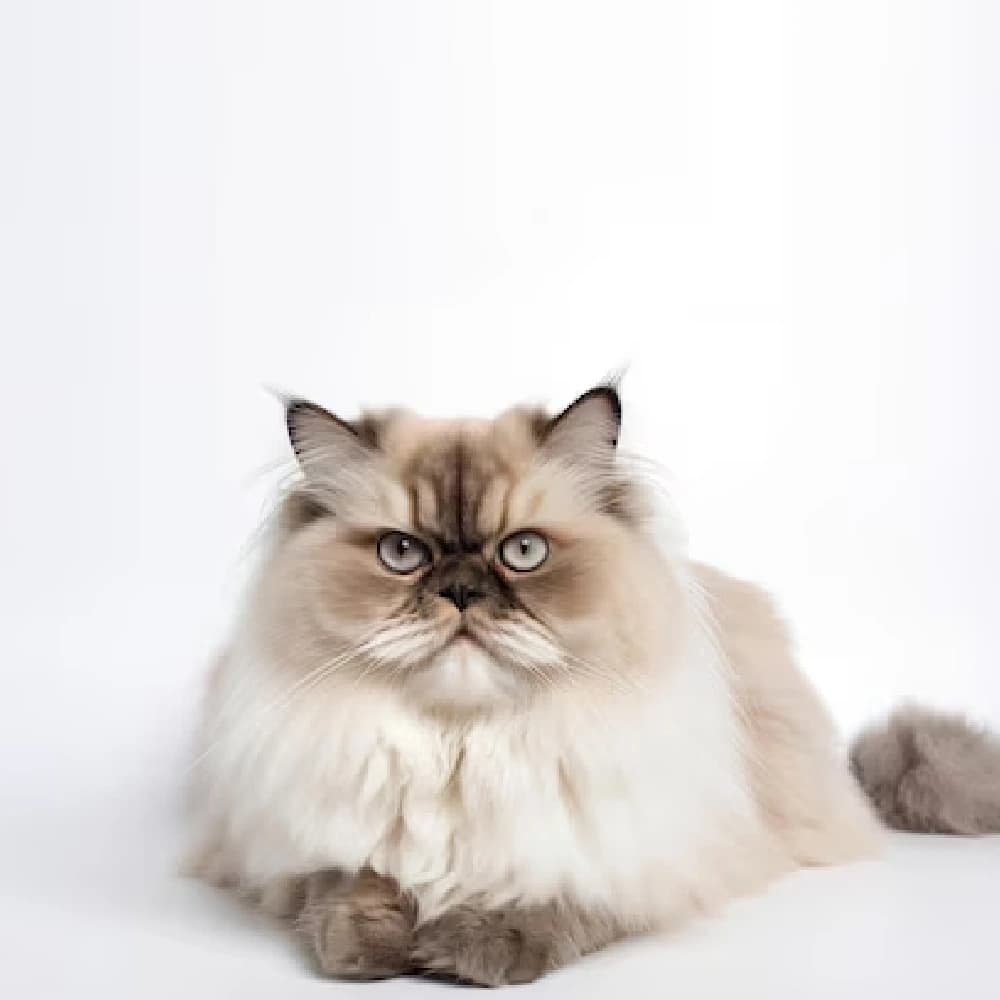
Cats:


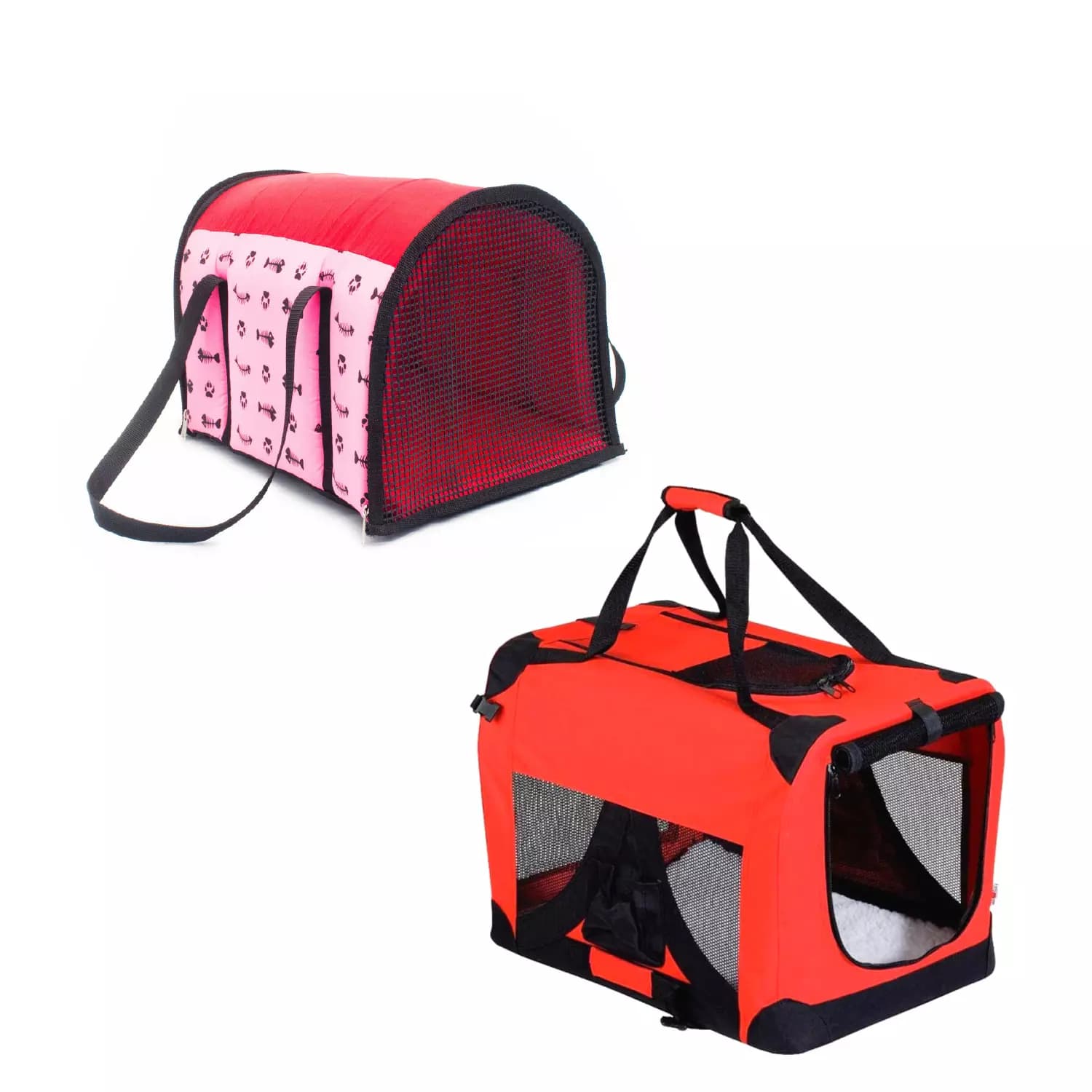
7. Pet Carrier Conditions for Transporting Pets
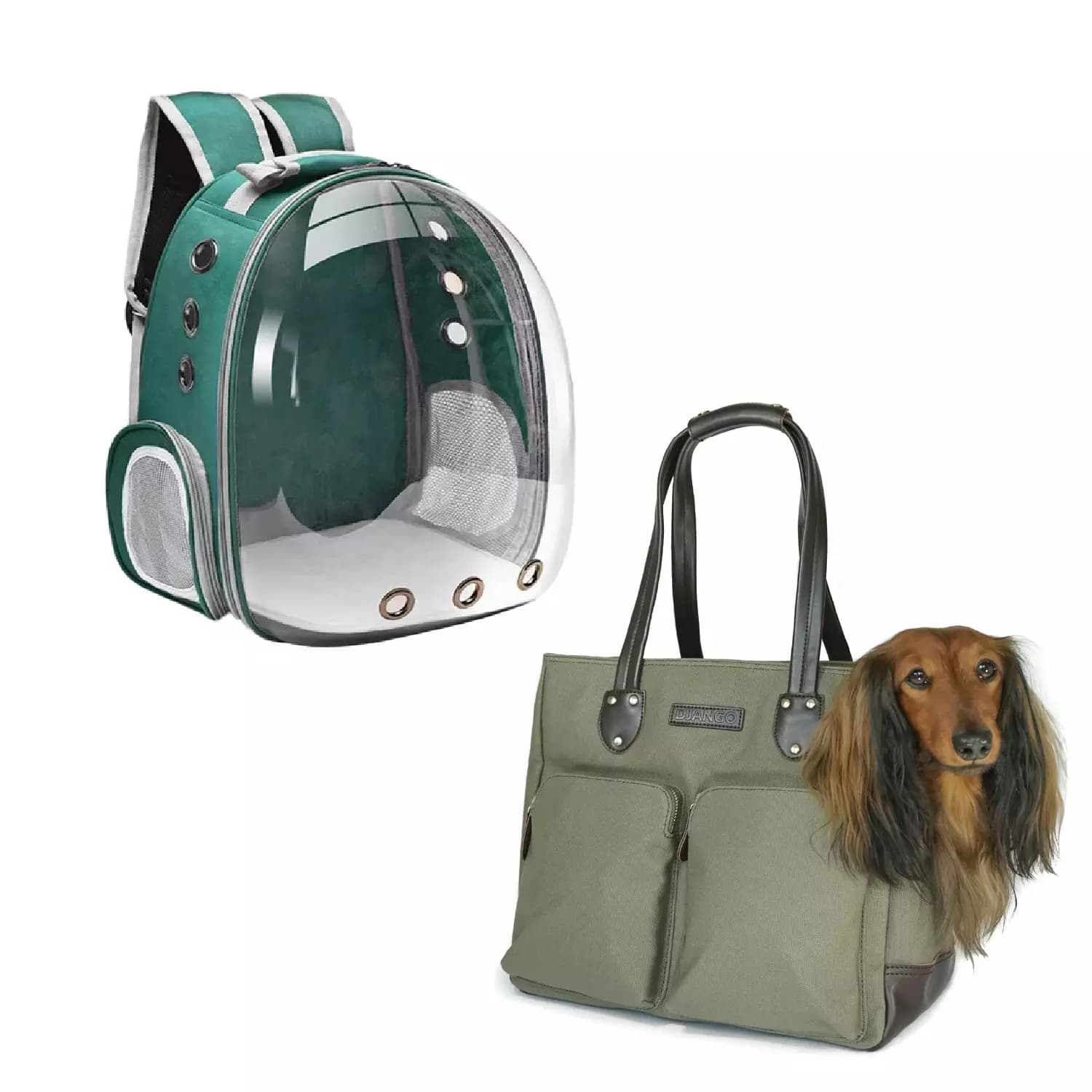
- The shape and dimensions of the carrier or container (fabric type) must allow the pet to fit comfortably and be placed under a passenger seat on the corresponding aircraft.
- The container does not need to be rigid and spacer bars are not required.
- Material: Fabric, bag-type carrier.
- Dimensions: 40.6 x 27.9 x 20.3 (Length x Width x Height cm)
- Size: The animal must have enough space to turn normally while standing, stand and sit upright, and rest in a natural position.
- Design and construction: It must have ventilation, and its base must be water-resistant to prevent moisture leakage. Foldable construction and easy to transport.
- Sides: The ventilation area must cover at least 16% of the surface of the four sides of the container. The inside of the container must be smooth, soft, and free of protrusions that the animal could bite or scratch and damage the container in any way.
- Safety: The carrier or container must have proper closures and must be secured with straps and safety seals or zip ties to prevent any escape of the animal. Two seals or zip ties must be placed on the carrier door to ensure safety during transport between the check-in area and the aircraft. For pets transported in flexible or soft-sided carriers in the passenger cabin, the gate agent must secure the carrier closure buckles with a zip tie to prevent the passenger from removing the pet during any phase of the flight. The owner must ensure that all closures are in optimal condition and properly fastened.
- Labeling: It must include a name tag with the passenger’s information and a label stating “LIVE ANIMALS,” ensuring it does not block any ventilation holes.
- Doors: The material may be plastic or metal, thick enough to prevent deformation by the animal. Some carriers have two doors, which must be able to close properly and be reinforced with safety seals or zip ties.
- Material: The container material must be made of fiberglass or rigid plastic, solid and resistant.
- Design and construction: The container must be able to withstand other luggage without the structure bending or being damaged. It must be rigid enough to prevent the animal from escaping through gaps in the joining points.
- Size: The carrier must be appropriate for the size and characteristics of the animal being transported, allowing enough space for it to turn normally, stand up, sit upright, and rest in a natural position.
- Joining Points: Plastic containers made of two parts must have all joining fasteners properly installed and fitted, and the joint must be reinforced with seals or ties.
- Sides: The inside of the container must be smooth and free of protrusions that the animal could bite or scratch, which could damage the integrity of the container in any way.
- Roof: The roof must be solid, but ventilation holes are permitted across the surface as long as they do not reduce the roof’s structural strength.
- Door (hinged or sliding): The material must be metal, thick enough so that it cannot be deformed by the animal. The door must be able to close properly and have locking hinges.
- Safety: The carrier or container must have proper closures and must be secured using straps and safety seals or zip ties to prevent the animal from escaping. The carrier door must be blocked with seals or zip ties to prevent the animal from opening it and to ensure safe transport between the check-in area, ramp, and aircraft. The owner must ensure that all closures are in optimal condition and that the carrier is in perfect condition.
- Ventilation: The total ventilated area must be at least 16% of the total surface of the four sides, with openings that are nose- and paw-proof. It is important that animals do not have any protruding surfaces they can chew or scratch.
- Labeling: For all live-animal shipments, it is mandatory to label all four sides of the container with a “LIVE ANIMALS” label and one or more “THIS SIDE UP” labels.
- Denial of Boarding for Live Animals: Containers or carriers that are not in optimal condition for the transport of the animal will not be accepted at the airport counter.
Example Images of Containers:
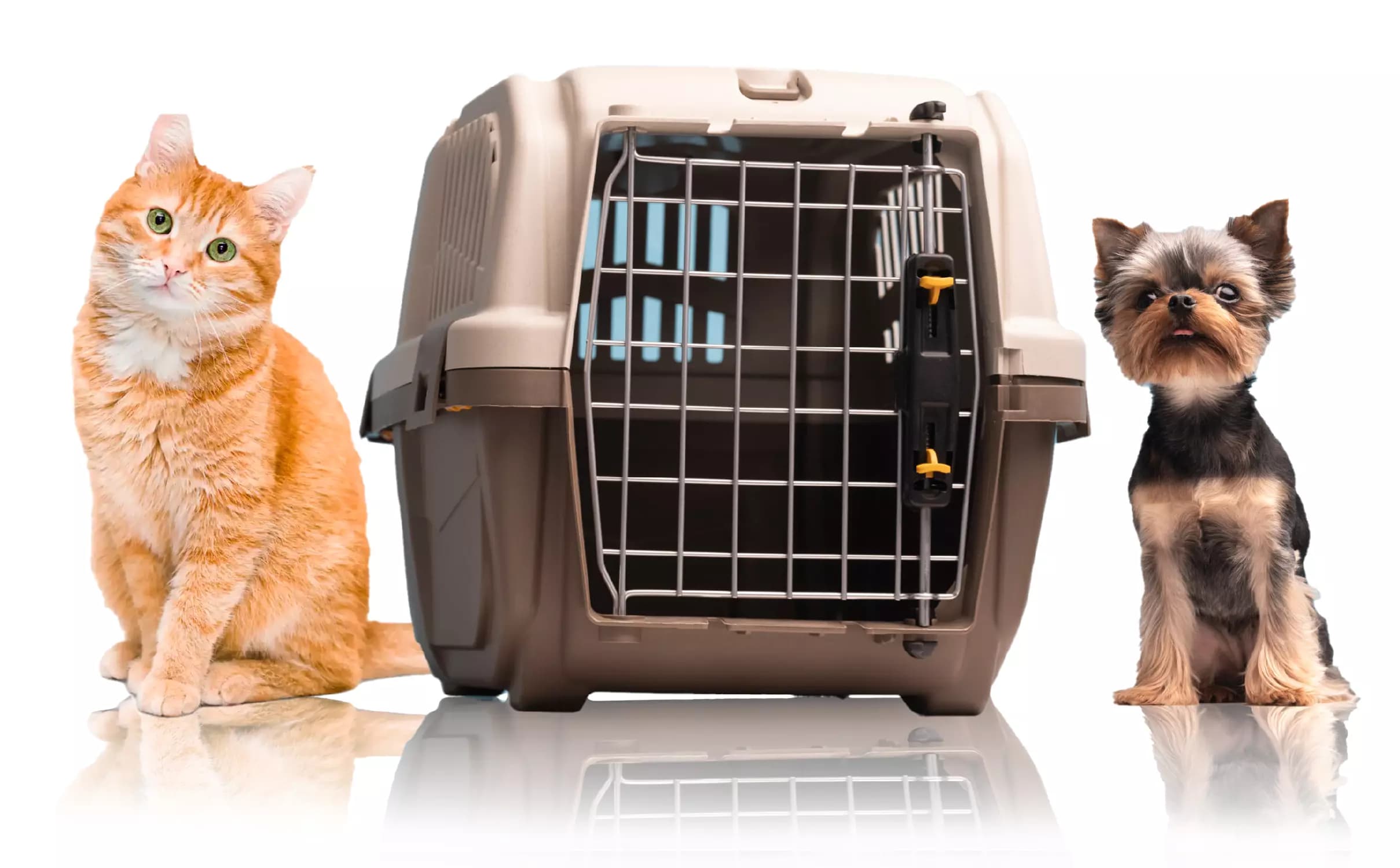
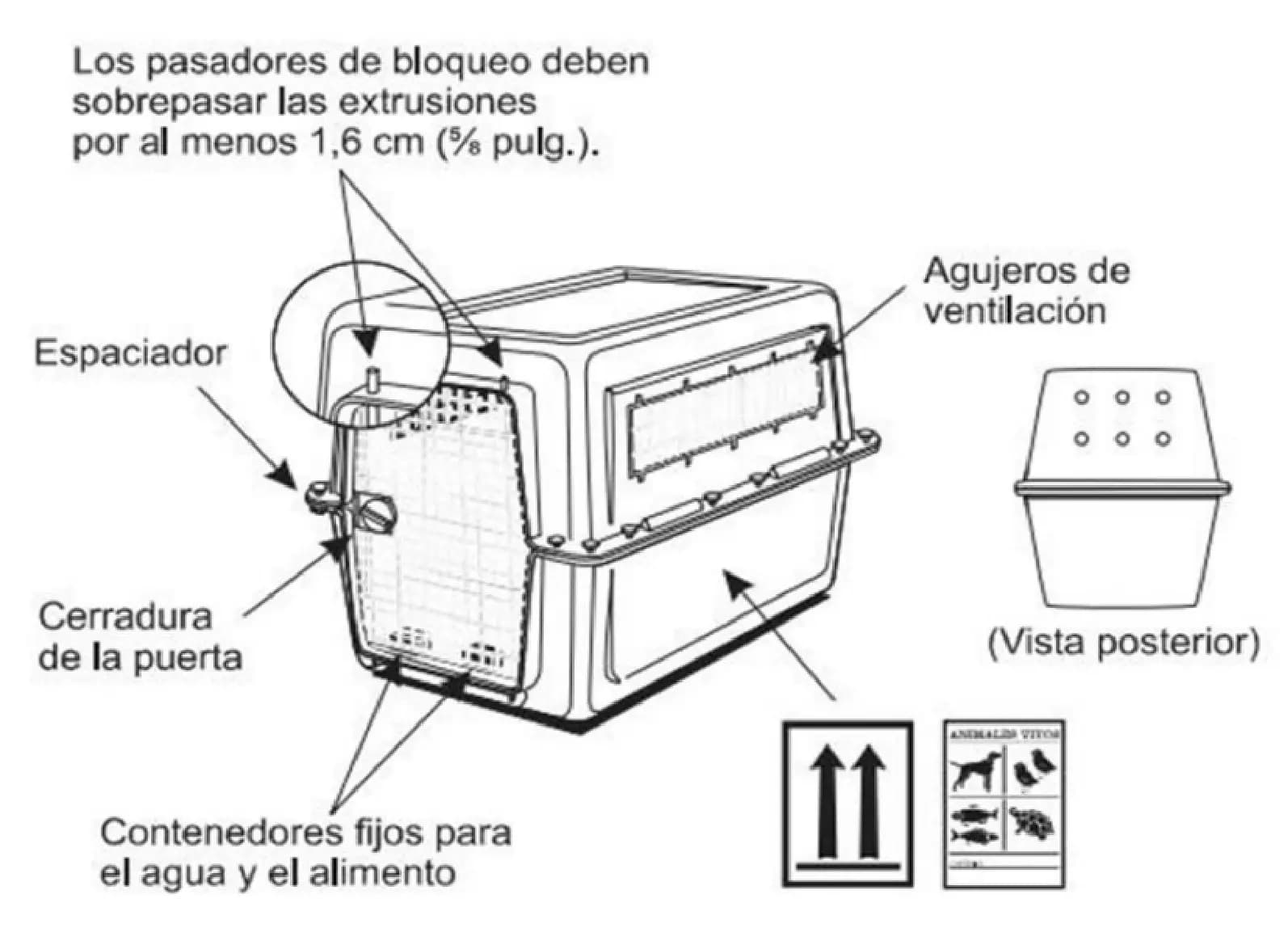
- Guide dogs: The function of a guide dog is to help humans who are blind or have visual disabilities.
- Hearing dogs: Hearing dogs act as ears for people who are deaf or hard of hearing. They are trained to alert their humans to important sounds.
- Seizure alert dogs: Seizure alert dogs are trained to recognize the often subtle signs that their handlers are about to have a seizure, a trait often found in people with epilepsy.
- Diabetic alert dogs: These dogs can alert to drops in blood sugar before they reach dangerous levels.
- Allergy detection dogs: These dogs use their sense of smell to detect traces of allergens in the air and food, helping children or adults with allergies avoid certain ingredients and substances that can be a matter of life or death.
- Mobility assistance dogs: They perform invaluable tasks for people with impaired motor functions, particularly those in wheelchairs. They also work with people with arthritis, cerebral palsy, muscular dystrophy, and spinal cord injuries, among others.
- Autism support dogs (ASD dogs): They help their handlers navigate social environments and increase their confidence. They assist people with autism in improving communication skills and better regulating their emotions.
- Psychiatric service dogs: They help people with mental health disorders such as post-traumatic stress disorder, depression, and bipolar disorder. Psychiatric service dogs provide a comforting barrier during times of distress or intense discomfort in public settings. They are not the same as emotional support dogs or therapy dogs.
- Post-traumatic stress dogs: They help war veterans cope with the effects of post-traumatic stress disorder, induced by the emotional and psychological aftermath experienced by ex-combatants.
- Search and rescue dogs: These are animals trained to find living or recently deceased people in a wide variety of situations.